
Escallonia resinosa
Escallonia resinosa
Description
Growing requirements
Escallonia resinosa is an evergreen shrub or small tree belonging to the Escalloniaceae family. Native to the Andean regions of South America, this plant is well-adapted to mountainous environments, which influences its physiological needs and growth habits in cultivation.
The species requires well-drained, fertile soil to thrive. It performs best in substrates that provide adequate aeration and moisture retention without becoming waterlogged, as the root system is sensitive to prolonged anaerobic conditions that often precede root rot.
Regarding climate, Escallonia resinosa favors mild temperatures with sufficient light exposure. While it exhibits some tolerance to varying weather conditions, it is best suited for regions that do not experience severe frost, as extreme cold can damage the foliage and cause dieback of terminal branches.
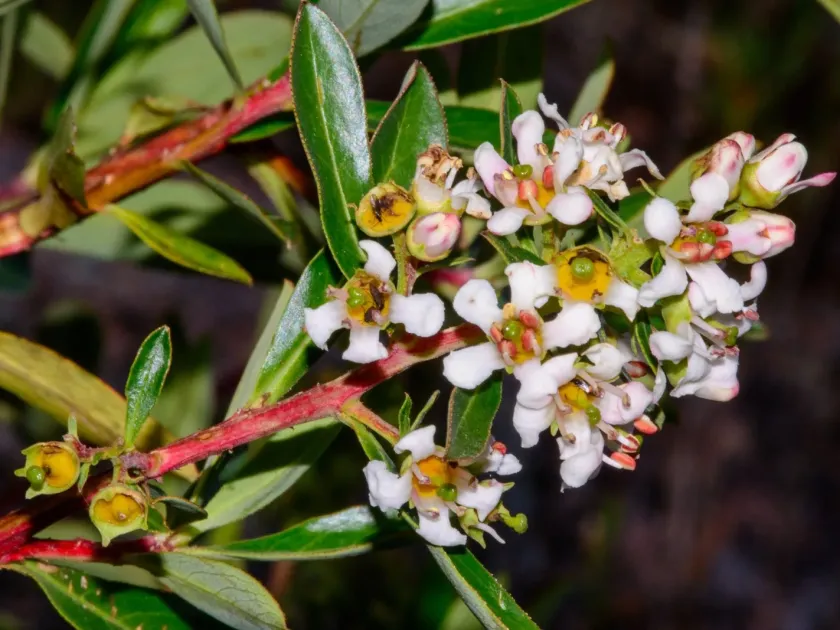
Botanically, the plant is characterized by its glossy, resinous leaves which act as an adaptation to reduce transpiration. This resinous coating also provides a distinct tactile quality to the foliage. The flowers appear in clusters, contributing to the ornamental appeal of the shrub during its blooming season.
In terms of agricultural and horticultural use, Escallonia resinosa is primarily valued for its role in landscaping, windbreak formation, and slope stabilization. The plant's ability to withstand pruning makes it a versatile candidate for hedges and structured garden designs in suitable climates.
Main diseases and pests
The primary health threats to this plant include fungal diseases such as powdery mildew, which can significantly damage leaf surfaces when air circulation is poor. High humidity combined with stagnant air provides optimal conditions for these pathogens to proliferate.
Insect pests, including aphids and spider mites, are common issues that occur during the growing season. These pests feed on plant sap, weakening the shrub and causing leaves to yellow or curl. Regular monitoring is essential to detect these infestations before they spread across the entire canopy.
Root pathogens, particularly Phytophthora species, represent a critical risk to the health of Escallonia resinosa, especially in poorly drained soils. Once the root system is compromised, the plant may show symptoms of wilting and rapid decline, which are often difficult to reverse.
Cultural control measures, such as proper spacing to ensure airflow and judicious watering, are effective in minimizing disease incidence. Pruning out infected or dead wood is a vital maintenance practice to reduce the inoculum load in the garden or plantation area.
Integrated pest management strategies, involving both biological controls and targeted chemical treatments, are recommended for maintaining plant vigor. Ensuring the plant receives balanced nutrition helps build resilience against the environmental stressors that often invite pest outbreaks.