
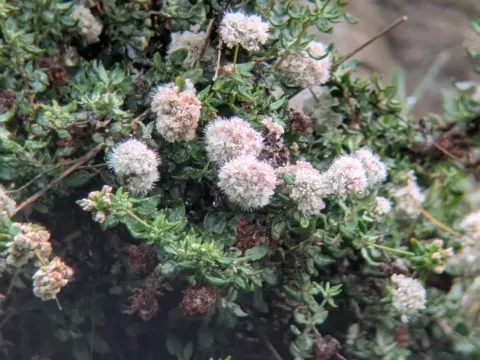
Eriogonum
Eriogonum
Eriogonum, a member of the Polygonaceae family, consists of many perennial species native to North America. The most effective way to start these plants is by sowing seeds in late autumn or early spring, often requiring a period of cold stratification to break dormancy.
What the section contains


Eriogonum
Seeds should be sown in a well-draining substrate, barely covered by a thin layer of sand or soil. Since many species require light to germinate, excessive burying of the seeds should be avoided to ensure successful emergence of seedlings.
The optimal germination temperature usually ranges between 10 and 15 degrees Celsius. Providing a consistent but not soggy moisture level is critical during the first few weeks after sowing to establish healthy root systems for the young plants.
Vegetative propagation is commonly performed through stem cuttings taken in early summer. Using a light, sterile medium such as perlite mixed with coarse sand helps prevent rot while encouraging the development of adventitious roots.
It is crucial to select a site with full sun exposure and excellent drainage. Given their wild origins in rocky and dry areas, Eriogonum plants struggle in overly fertile or heavy, clay-rich garden soils, which can lead to stunted growth or total decline.
Eriogonum species are classic xerophytes that thrive in arid, rocky, or sandy environments. Their primary requirement is a soil profile that never remains waterlogged, making them ideal candidates for rock gardens and xeriscaping projects.
These plants are highly adapted to intense heat and prolonged dry spells. While they are resilient, they do require a soil pH that is generally neutral to slightly alkaline, which mimics the natural habitats of most wild buckwheat species.
Fertilization should be kept to an absolute minimum. Excess nitrogen stimulates rapid, succulent growth that is prone to winter damage and makes the plants susceptible to various pests and diseases that thrive on soft, stressed tissues.
Climate tolerance is a hallmark of this genus, as many species are evolved to withstand harsh winters and scorching summers. However, protection from excess winter moisture is vital; winter dampness is often more lethal to Eriogonum than extreme cold temperatures.
Maintenance is straightforward and involves minimal intervention. Once established, these plants require little to no supplemental irrigation, as their deep taproots can access deep-seated soil moisture even during significant droughts.
The most common threats to Eriogonum are fungal diseases associated with poor soil drainage and high humidity levels. Root and crown rots are the leading causes of mortality, often triggered by Pythium or Phytophthora pathogens in waterlogged soils.
Pests are generally a secondary concern but can become problematic in dry conditions. Spider mites can colonize the foliage during hot, dry periods, resulting in speckled leaves and a loss of aesthetic appeal if left unchecked for an extended time.
Aphids may occasionally target the flower buds and tender new growth, causing minor distortion. While usually not fatal, severe aphid infestations can attract sooty mold and reduce the plant's overall vigor during the growing season.
Preventative management is centered on providing adequate spacing between plants to ensure airflow and reducing irrigation to prevent the buildup of humidity in the foliage canopy. Keeping the crown area clear of debris also reduces the risk of fungal outbreaks.
- Root rot caused by overwatering;
- Powdery mildew in stagnant air;
- Spider mites during extreme heat;
- Aphids on floral buds;
- Rust fungi in humid climates.