
Eriogonum longifolium
Eriogonum longifolium
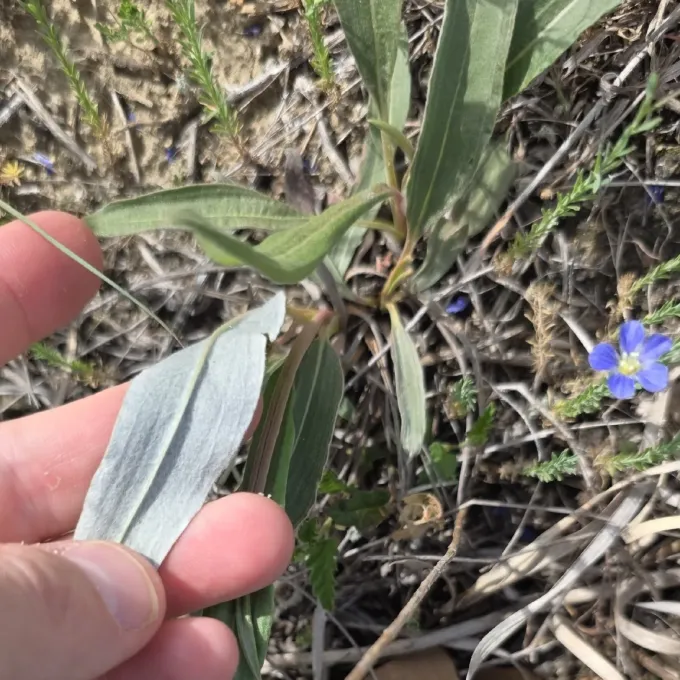
Description
Sowing dates
Seeds of Eriogonum longifolium should ideally be sown in late autumn to benefit from natural winter stratification, which is essential for uniform germination. If sowing in spring, artificial stratification in a cold environment for 30 days is required.
Use a well-draining, sandy-based seed starter mix to prevent damping-off. Keep the container in a bright location, ensuring the soil remains slightly moist but never waterlogged during the germination phase.
When sowing, press seeds lightly into the substrate; do not bury them deeply as they need light to initiate the germination process. A light dusting of vermiculite can help maintain humidity.
Once seedlings have developed two sets of true leaves, they can be hardened off and transplanted. Handle the root system with extreme care, as established plants are sensitive to disturbance.
Space the plants approximately 30–40 cm apart to ensure adequate airflow. Proper spacing is a critical factor in preventing the microclimate from becoming too humid around the foliage.
Growing requirements
Eriogonum longifolium belongs to the Polygonaceae family. This species is a resilient perennial native to arid and rocky environments, making it a perfect candidate for sustainable agricultural practices in dry regions.
The plant thrives in rocky, gravelly, or sandy soils with minimal nutrient content. It is exceptionally well-adapted to poor soil conditions where many other cultivated crops would fail due to lack of fertility.
Full sun is a non-negotiable requirement for this species. Even partial shade will cause the plant to lose its compact growth habit and significantly weaken the root system over time.
Water requirements are extremely low once the root system is established. Deep, infrequent watering is preferred over frequent shallow irrigation to encourage deep root penetration and drought tolerance.
The species demonstrates excellent cold hardiness, adapting well to regions with significant temperature fluctuations between seasons, provided the drainage remains efficient throughout the year.
Yield
While Eriogonum longifolium is primarily managed as an ornamental or ecological crop rather than for bulk food production, its biomass yield can be consistent under harsh environmental conditions.
In specialized seed production, yield is calculated based on the number of viable florets per raceme. Careful management of pollinators is required to maximize the harvest of quality seeds.
The plant provides a long-lasting bloom period, which is valuable for apiary integration. The nectar production makes it an excellent choice for supporting local pollinator populations in agricultural landscapes.
Harvesting for dry floral arrangements or herbal applications should be done during the peak of the flowering stage to maintain structural integrity and volatile oil concentration.
Productivity is inversely proportional to soil fertility and moisture; hence, minimal input management is the standard protocol for achieving stable harvest cycles for this crop.
Main diseases and pests
Root rot caused by overwatering is the primary threat to the longevity of the plant. Soils that retain moisture for too long create a breeding ground for fungal pathogens that quickly destroy the root crown.
Powdery mildew may occur if there is insufficient air circulation or high humidity levels. Pruning adjacent vegetation to ensure open space around the plants is the most effective preventative strategy.
Pests such as aphids and spider mites can occasionally affect the plant during extreme heat stress. Regular monitoring of the underside of leaves is recommended during peak summer temperatures.
Slugs and snails can cause significant damage to young seedlings. Implementing physical barriers like copper tape or crushed eggshells can protect the crop during the early stages of development.
Avoid heavy nitrogen fertilizers, as they lead to rapid, succulent growth that is significantly more attractive to sucking insects and more susceptible to pathogen attacks.