
Coast buckwheat
Eriogonum latifolium
Description
Growing requirements
Coast buckwheat (Eriogonum latifolium) is a perennial herb belonging to the Polygonaceae family. It is native to the coastal bluffs and dunes of California, where it has evolved to thrive in environments characterized by salt spray, high winds, and nutrient-poor, sandy soils.
The plant demonstrates excellent adaptation to drought and poor soil fertility. In an agricultural context, it requires well-drained soil and high levels of sunlight to perform optimally. It is particularly well-suited for xeriscaping and ecological restoration projects on sandy or stony ground.
Climate requirements for this species are centered around temperate coastal zones. While it can withstand occasional heat waves, it struggles in conditions with high humidity and stagnant water. Proper air circulation is paramount to ensure the longevity of the plant and to prevent physiological stress.
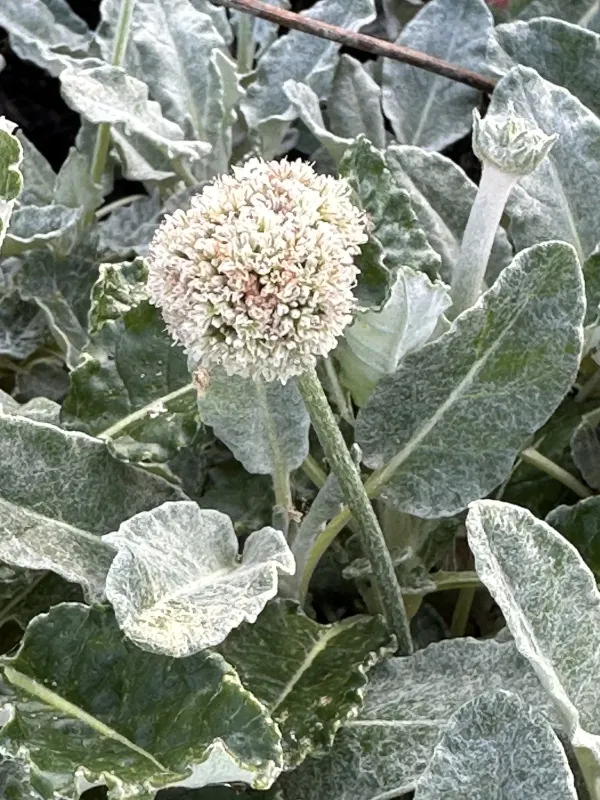
Botanically, it features a prostrate to mounding growth habit with thick, broad leaves covered in dense, woolly hairs. These features are evolutionary adaptations designed to retain moisture and reflect excessive sunlight during the warmer parts of the day.
The agricultural and environmental use of coast buckwheat extends to erosion control and wildlife habitat management. Its long flowering period provides a consistent source of nectar for native bees and butterflies, making it an essential crop for sustainable land management.
Main diseases and pests
The most significant threat to coast buckwheat is the development of fungal pathogens, particularly root rot, which typically stems from excessive soil moisture during the winter months. Poor drainage is the primary factor leading to crop loss in non-native cultivation environments.
Pests such as aphids and spider mites can occasionaly infest the foliage, especially if the plant is under drought stress. Maintaining consistent plant health through proper site selection and balanced exposure helps to reduce the likelihood of severe infestations.
Powdery mildew is another common concern in stagnant air conditions. This fungal disease creates a white, dusty layer on the leaves, which can reduce the plant's photosynthetic capacity. Prompt identification and ensuring adequate spacing are the most effective management practices.
Effective management strategies should focus on preventive care, such as limiting nitrogen-heavy fertilizers, which can produce soft, susceptible tissue. By avoiding excessive soil amendments, the plant maintains its natural, hardy characteristics.
Integrated pest management protocols, including manual removal of infected parts and promoting beneficial insect populations, are recommended over broad-spectrum chemical applications to maintain the ecological balance around the crop.