
Eriogonum microthecum
Eriogonum microthecum
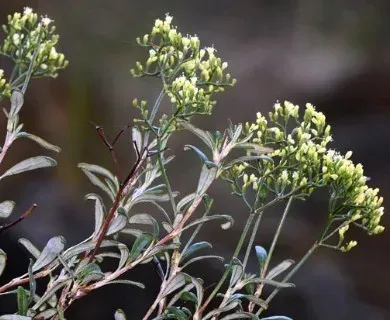
Description
Sowing dates
Propagation of Eriogonum microthecum is primarily achieved through seeds, which require stratification to break dormancy and ensure uniform germination.
In field production, seeds are sown in late autumn to utilize natural winter chilling, which effectively satisfies the plant's cold requirements.
If spring sowing is preferred, seeds must be artificially stratified at temperatures between 0 and 5 degrees Celsius for a period of at least six weeks.
The seeding medium should be sandy and low in nutrients, mimicking the natural rocky habitat where the species originates.
Seeds should be covered with only a thin layer of fine grit or coarse sand to ensure sufficient light exposure for the developing embryos.
Growing requirements
Eriogonum microthecum is a resilient species belonging to the Polygonaceae family, naturally found in arid regions across North America.
The plant demands full sunlight exposure and thrives in well-draining, gravelly, or sandy soils that prevent water retention in the root zone.
It exhibits exceptional tolerance to extreme heat and cold, making it a suitable candidate for xeriscaping and low-maintenance ecological restoration.
The plant is highly sensitive to excessive nitrogen fertilization, which can lead to elongated growth and increased susceptibility to physiological stressors.
Soil pH should remain neutral to slightly alkaline, and soil compaction must be avoided at all costs to allow for deep root penetration.
Main diseases and pests
The most significant threat to the health of this culture is prolonged soil saturation, which inevitably causes crown rot and root asphyxiation.
Poor air circulation, especially in humid or confined environments, can lead to the development of fungal leaf spot and powdery mildew.
Certain species of root-feeding pests, such as grubs or cutworms, may cause localized damage to established plantings during the early growing season.
Prevention involves selecting sites with excellent natural drainage and maintaining adequate spacing between individual plants to promote airflow.
Any signs of fungal infection should be addressed through immediate pruning and the removal of affected biomass to prevent secondary spread.
Harvesting
Commercial harvest is limited to the collection of mature seeds for nursery production or ecological site reclamation purposes.
Seed heads are harvested once they turn brittle and brown, usually in late summer, indicating that the seeds have reached full maturity.
After collection, the material should be air-dried in a protected area to reduce moisture content before cleaning and storage.
For ornamental purposes, the dry inflorescences may be left on the plants throughout the winter to provide structural interest in the landscape.
The plants are long-lived and require minimal intervention, allowing for many years of continued growth without the need for periodic harvest or replanting.