
Erica watsonii
Erica x watsonii Benth.
Description
Growing requirements
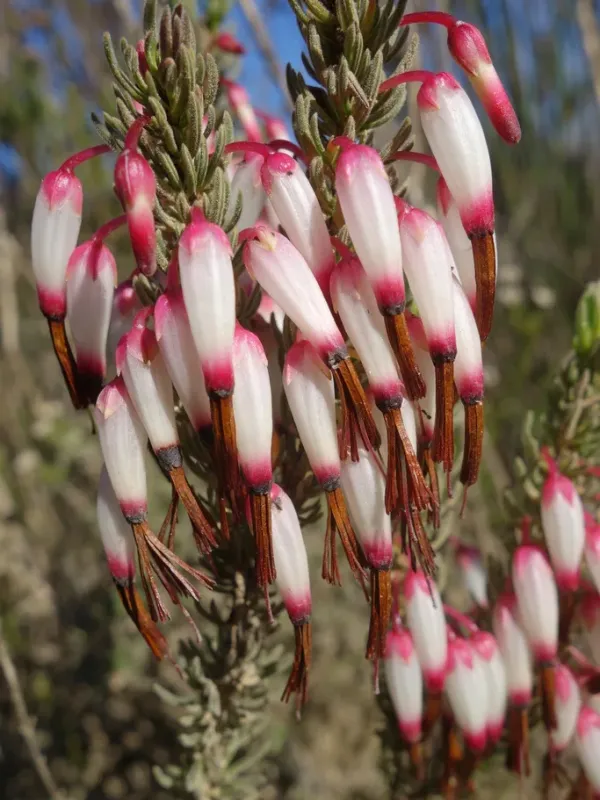
Erica watsonii is a natural hybrid belonging to the Ericaceae family, resulting from the cross between Erica ciliaris and Erica tetralix. This evergreen shrub is highly regarded in horticulture for its vibrant, bell-shaped flowers and compact, bushy growth habit.
The plant originates from wild populations in the southwestern parts of England. It thrives in regions with moderate, maritime-influenced climates where extreme temperature fluctuations are minimized, making it an excellent choice for temperate garden environments.
Successful cultivation requires specific edaphic conditions. Erica watsonii strictly demands acidic, well-draining, and nutrient-poor soil. Gardeners should incorporate organic matter such as pine needles or peat moss to maintain the necessary acidity level for optimal development.
Water management is critical for this species. While it enjoys a moist environment, it cannot tolerate waterlogged roots. Therefore, selecting a site with excellent natural drainage or building raised beds is a standard practice for ensuring plant health.
Maintenance involves routine pruning immediately after the flowering season. This practice helps to remove spent blooms, encourages a dense habit, and prevents the plant from becoming leggy or overly woody over time, which ensures a longer lifespan for the specimen.
Main diseases and pests
Gray mold (Botrytis cinerea) is a primary concern for Erica watsonii, especially in damp, humid conditions. Proper airflow around the foliage is the best preventative measure, alongside the removal of any decaying plant material to stop fungal spread.
Root rot caused by Phytophthora species represents a significant threat to the survival of these plants. It is often triggered by poor drainage or overwatering, which stresses the plant and leaves it vulnerable to soil-borne pathogens that target the vascular system.
Scale insects are common pests that may attach themselves to the stems, extracting sap and causing a decline in overall vigor. Early identification and manual removal or the application of horticultural oils can effectively manage localized infestations.
Spider mites are potential threats during hot, dry spells. They thrive in low-humidity conditions and manifest as fine webbing between leaves. Regular misting or the use of targeted acaricides during peak periods of activity helps protect the shrub's aesthetic.
Nutrient deficiencies, particularly chlorosis, can occur if the soil pH rises above the optimal range. The leaves will turn yellow while the veins remain green, indicating that the plant can no longer absorb necessary iron. Acidifying the soil is the required corrective action.