
Veitch's Heath
Erica x veitchii Bean
Description
Growing requirements
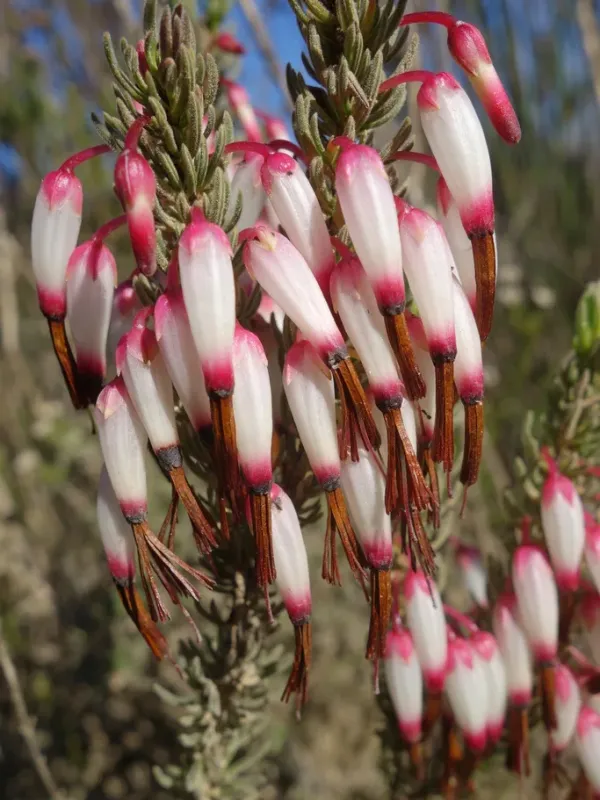
Veitch's Heath (Erica x veitchii) is a hybrid evergreen shrub belonging to the Ericaceae family, specifically a cross between Erica arborea and Erica lusitanica. It is a highly valued ornamental species recognized for its dense, upright habit and mass of small, fragrant white flowers that bloom in late spring.
The cultivation of this species requires strict adherence to soil conditions, specifically a highly acidic environment with a pH between 4.0 and 5.5. The soil should be light, sandy, and porous to ensure excellent drainage, as the root system of this plant is prone to rotting if moisture levels become excessive.
Regarding climate, this hybrid prefers mild conditions with moderate winters. In areas with significant frost, it requires protection using mulch or horticultural fleece to prevent dehydration of the foliage caused by freezing winds. It thrives best in positions with full sun to light, dappled shade.
Watering is a critical aspect of the maintenance program. It is essential to use soft water, preferably rainwater, as tap water often contains lime that can negatively alter the soil's chemical composition. The substrate must be kept consistently moist but never waterlogged to avoid root issues.
In terms of agricultural use, this shrub serves as a staple for heather gardens, rocky landscapes, and borders. Its ability to provide early-season color makes it a favorite for landscaping professionals who aim to establish long-term aesthetic structures in private or public garden designs.
Main diseases and pests
Phytophthora root rot is the most devastating disease for Erica x veitchii, often triggered by poor drainage or overwatering. Symptoms include general wilting and the browning of foliage, which typically results in the death of the specimen if not caught early through strict moisture control.
Spider mites represent the primary pest challenge for this shrub, particularly in arid climates or hot summer periods. They feed on the sap of the foliage, causing a mottled appearance and significant weakening of the plant's overall health, necessitating treatment with specialized acaricides.
Grey mold (Botrytis) can affect the plant during periods of high humidity and poor ventilation. Providing sufficient spacing between individual plants and pruning dead branches regularly can significantly reduce the risk of mold outbreaks by allowing for better airflow within the canopy.
Chlorosis is a frequent issue if the soil pH rises above the optimal range, manifesting as yellowing leaves while the veins remain green. Correcting this involves applying iron chelate supplements and incorporating acidic organic matter like pine needles or peat into the top layer of the soil.
Integrated pest management should include regular monitoring and the use of preventative fungicide sprays during the spring growth phase. Maintaining the vitality of the plant through proper irrigation and soil management is the best defense against both primary pathogens and secondary insect infestations.