
Erica praegeri
Erica x praegeri Ostenf.
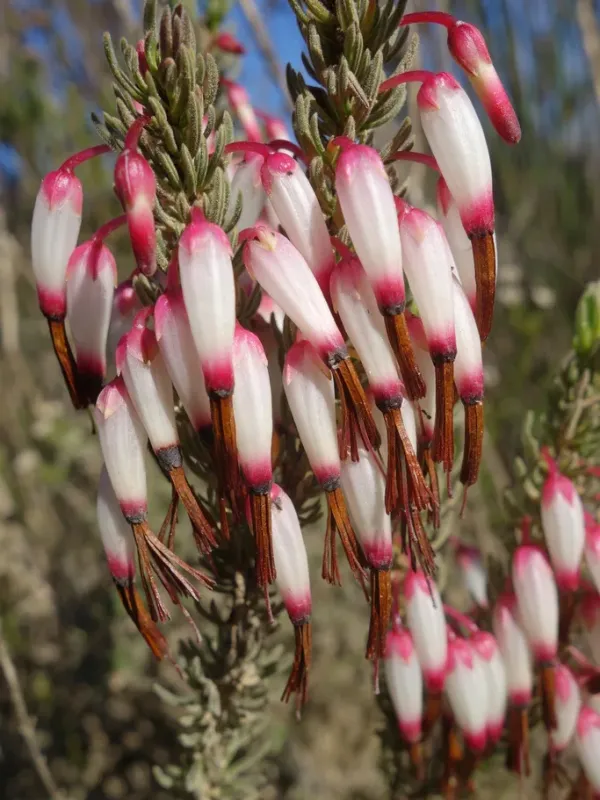
Description
Growing requirements
Erica praegeri (Erica x praegeri) is a distinct hybrid originating from the cross between Erica tetralix and Erica cinerea. As a member of the Ericaceae family, it thrives in environments that mimic its natural Irish habitat.
This species is well-known for its adaptation to heathlands and peat-based soils. It requires an acidic growing medium with a pH range ideally between 4.5 and 5.5 to maintain proper nutrient uptake and plant health.
Climatic requirements focus on moisture and humidity. While the plant appreciates regular watering, it is strictly intolerant of waterlogging. Proper drainage is the single most important factor in its successful cultivation.
Agronomic management includes maintaining a mulch layer of acidic organic matter, such as peat or pine needles. This suppresses weeds, retains moisture, and protects the delicate root system from extreme fluctuations in soil temperature.
The plant is widely utilized in horticulture for its ornamental value. It serves as an excellent ground cover, a structural element in rock gardens, or a feature plant in container gardening where soil acidity can be strictly controlled.
Main diseases and pests
Phytophthora root rot is the most serious threat to Erica praegeri, often triggered by heavy, poorly drained soils or excessive irrigation.
Grey mold (Botrytis) may develop in dense plantings where airflow is restricted, particularly during prolonged periods of high humidity and overcast weather.
Common insect pests include scale insects and spider mites, which tend to infest plants that are stressed by heat or lack of water.
Effective management requires strict sanitation in the garden, including the removal of dead foliage and maintaining adequate spacing between individual plants.
Integrated pest management strategies should be employed, prioritizing cultural controls before resorting to chemical fungicides or insecticides.