
Winter heath
Erica x hiemalis hort
Description
Growing requirements
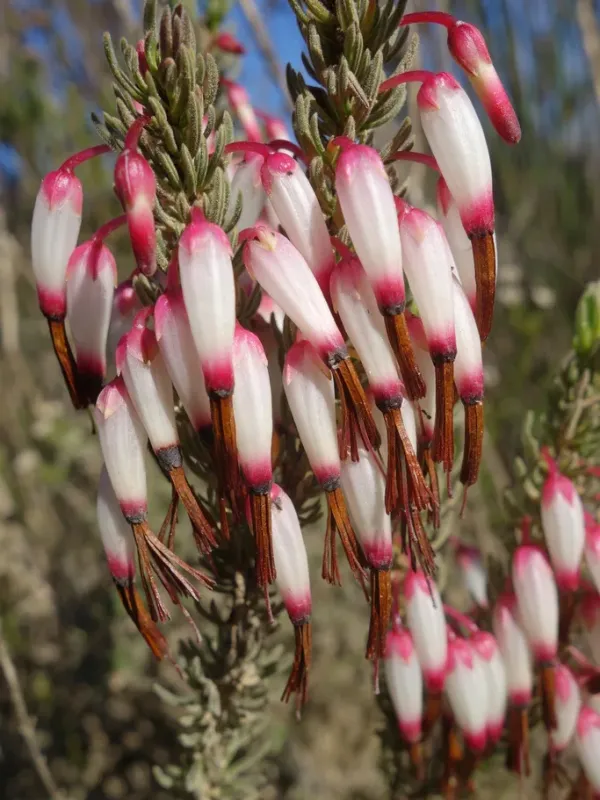
Winter heath (Erica x hiemalis) is a popular evergreen hybrid shrub belonging to the Ericaceae family. It is widely cultivated for its vibrant, bell-shaped flowers that bloom during the winter months.
This species thrives in temperate climates with high atmospheric humidity. It requires a sheltered location protected from strong, dry winds and intense midday sun which can stress the evergreen foliage.
The soil must be acidic, with a preferred pH between 4.5 and 5.5. A well-draining mixture containing sphagnum peat, pine needles, and sand is considered the standard medium for successful cultivation.
Proper drainage is critical for the health of the root system. Erica hiemalis cannot tolerate waterlogged conditions, which frequently lead to root rot and eventual plant collapse in containerized settings.
Maintenance includes regular, light watering with lime-free water. Using mulch made of pine bark helps retain moisture, suppresses weed growth, and maintains the acidity level of the root zone effectively.
Main diseases and pests
Phytophthora root rot is the most serious threat to winter heath. It is typically triggered by overwatering or poor drainage, making it essential to monitor moisture levels in the substrate strictly.
Grey mold (Botrytis) may appear during humid, stagnant conditions. Improving air circulation around the plants and removing any dead foliage helps to reduce the risk of this fungal infection significantly.
Spider mites are common pests that thrive in dry environments. Periodic misting of the plants and the use of insecticidal soap or specific acaricides are effective methods for controlling infestations.
Nutrient deficiencies, particularly chlorosis, are common when the substrate pH rises above the optimal range. This is often corrected by using acidic fertilizers specifically formulated for ericaceous plants.
Root damage caused by excessive soil cultivation or physical disturbance should be avoided. Shallow-rooted by nature, these plants perform best when the soil surface is left undisturbed and kept mulched.