
Erica x darleyensis
Erica x darleyensis Bean
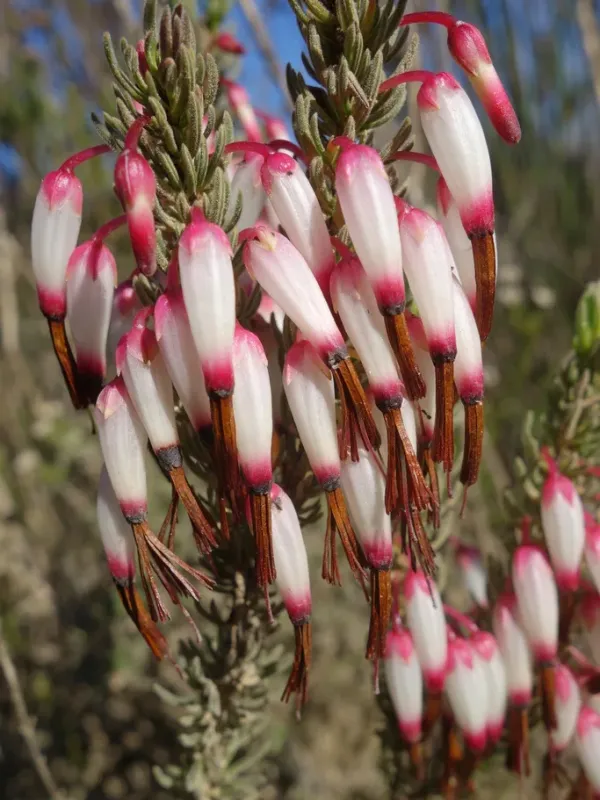
Description
Growing requirements
Erica x darleyensis is a popular hybrid evergreen shrub belonging to the Ericaceae family. It is a cross between Erica carnea and Erica erigena, resulting in a hardy plant that blooms during late winter and early spring.
This species is known for its compact habit, typically growing 40 to 60 centimeters in height. Its needle-like foliage provides year-round color, and it is highly valued for its ability to thrive in poor, acidic soils where other plants might struggle.
The cultivation of this plant requires well-draining, acidic soil with a pH level between 4.5 and 5.5. Sandy or peaty loam is ideal, as it allows for proper oxygenation of the roots while maintaining necessary moisture levels.
Sunlight requirements are quite specific: this shrub prefers full sun to light shade. In areas with harsh winters, it is beneficial to provide shelter from drying winds, which can lead to winter burn on the foliage.
Agronomic maintenance centers on moisture management. While the plant likes moisture, it does not tolerate waterlogging. Regular mulching with organic materials like pine needles or bark helps maintain the required soil acidity and root temperature.
Main diseases and pests
The primary threats to Erica x darleyensis are fungal pathogens, particularly those triggered by poor drainage. Gray mold (Botrytis) can affect the foliage in humid, stagnant conditions, leading to patches of dieback.
Root rot is a significant risk in poorly aerated or waterlogged soils. Once symptoms like wilting or yellowing leaves appear, it is often difficult to save the plant, emphasizing the importance of preventive drainage management.
Pests such as spider mites may infest the plant during hot, dry summer months. These pests suck sap from the foliage, causing a mottled, unhealthy appearance; regular inspections and timely insecticidal soap applications are recommended.
Powdery mildew can occasionally affect plants that are crowded or lack adequate air circulation. Ensuring sufficient spacing between individual shrubs during the initial planting phase helps mitigate this risk effectively.
Sanitation is key to disease prevention. Removing dead or damaged branches every spring keeps the plant vigorous and reduces the surface area where fungal spores might germinate and spread across the shrub.