
Erica vestita x Erica manipuliflora
Erica vestita x Erica manipuliflora
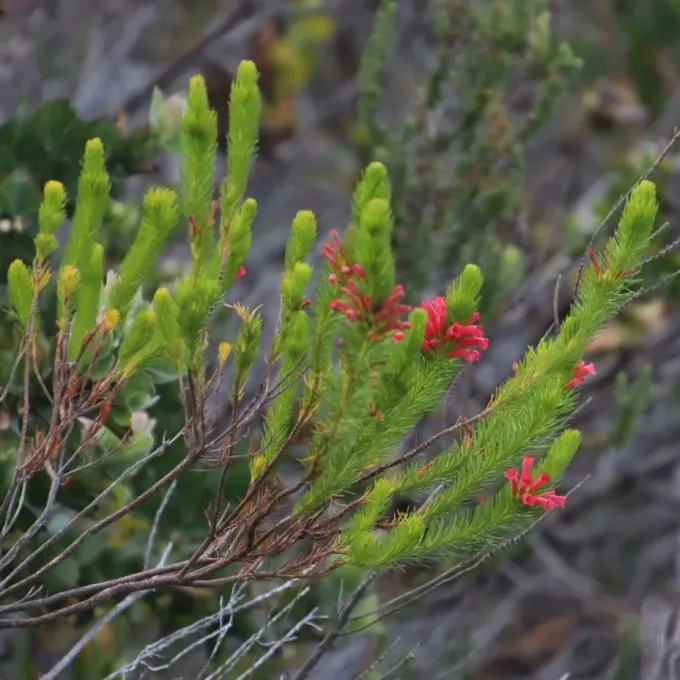
Description
Growing requirements
Erica vestita x Erica manipuliflora is a notable hybrid belonging to the Ericaceae family. This ornamental shrub is valued for its delicate, bell-shaped flowers and evergreen foliage, representing an integration of traits from its parent species.
This crop has strict soil requirements, favoring acidic substrates with a pH level between 4.5 and 5.5. A well-draining, loose mixture rich in organic matter, such as peat and conifer needles, is essential for healthy root development.
Cultivation requires a sunny location with partial protection from intense afternoon heat in warmer regions. Proper air circulation is fundamental to prevent moisture accumulation around the base of the shrub, which can lead to rapid decay.
Watering must be performed with lime-free, soft water. The plant is highly sensitive to irrigation quality, and hard water can lead to alkaline stress, causing leaf chlorosis and stunted growth throughout the growing season.
Annual maintenance involves pruning immediately after flowering. This practice helps maintain the plant's structural integrity, encourages dense branching, and promotes vigorous blooming for the following agricultural cycle.
Main diseases and pests
Fungal diseases, particularly root rot (Phytophthora spp.), represent the most significant threat to this Erica hybrid. These pathogens thrive in waterlogged environments, making drainage management the primary line of defense.
Powdery mildew is another common issue, especially in stagnant air conditions or high humidity environments. Preventive application of appropriate fungicides and proper plant spacing are effective management strategies for this disease.
Insects like spider mites and aphids may infest young growth during the spring. Monitoring the underside of the foliage is necessary to detect early-stage infestations and apply targeted biological or chemical control measures.
Nutrient deficiencies, particularly iron deficiency, can manifest as chlorosis if the soil pH is not maintained at the required acidic levels. Periodic soil testing and the use of specialized ericaceous fertilizers are recommended.
Overwintering conditions must be carefully managed in non-native climates. Protecting the root system with a thick layer of mulch helps insulate the plants against frost-thaw cycles that can otherwise damage the shallow root system.