
Corsican heath
Erica terminalis Salisb.
Description
Growing requirements
Corsican heath (Erica terminalis) is an attractive evergreen shrub belonging to the Ericaceae family. Native to the western Mediterranean, it naturally thrives in rocky terrains and open heaths, demonstrating high resilience in its native habitat.
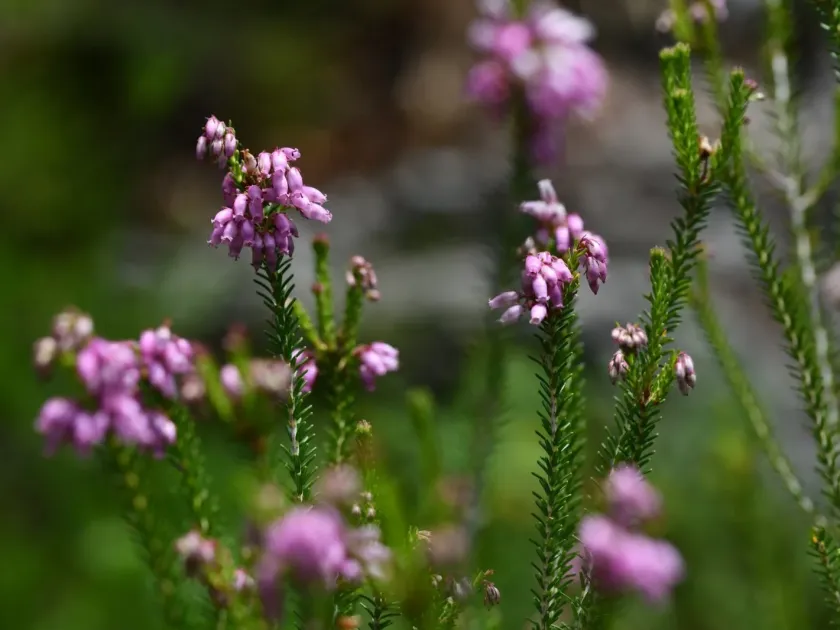
The plant is characterized by its whorled needle-like foliage and terminal clusters of pink-to-lavender flowers. It typically reaches a height of 1-1.5 meters, maintaining a dense and compact habit, which makes it a preferred choice for ornamental horticulture.
Cultivation success relies heavily on soil chemistry. Like other members of the heather family, it requires acidic soil (pH 4.5-5.5). The substrate must be gritty, well-draining, and rich in organic matter to mimic its natural growing conditions.
Positioning is critical for this species; it requires full sun to produce its iconic flowers. While it is adaptable, it must be protected from extreme winter winds, and in colder regions, a layer of mulch is essential to protect the shallow root system from frost.
The plant is widely used in landscape architecture, particularly in rock gardens, gravel beds, and borders. Its dried flowers remain vibrant for a long time, providing seasonal interest that extends well into the late autumn months.
Main diseases and pests
The primary threats to Erica terminalis are fungal diseases, such as grey mold (Botrytis) and root rot, which are almost exclusively triggered by poor drainage or excessive soil moisture levels during dormant periods.
Proper water management is the most effective preventative measure. Ensuring the soil has adequate aeration and avoiding overhead watering can significantly reduce the incidence of leaf spot and other fungal pathogens that affect ornamental shrubs.
Pests such as spider mites and aphids are known to inhabit the dense foliage. These pests thrive in dry conditions and can cause stunted growth or yellowing of the needles if left untreated for extended periods.
Integrated pest management is recommended, utilizing horticultural oils or soft soap solutions for mild infestations. More severe cases may require specific chemical pesticides to ensure the plant retains its structural integrity and ornamental value.
Overall, maintaining the correct soil pH and providing good airflow are the best strategies to keep the shrub vigorous. A healthy plant is significantly more resistant to environmental stressors and the typical pests found in home gardens.