
Sparse heath
Erica sparsa hort. Lodd., nom. nud.
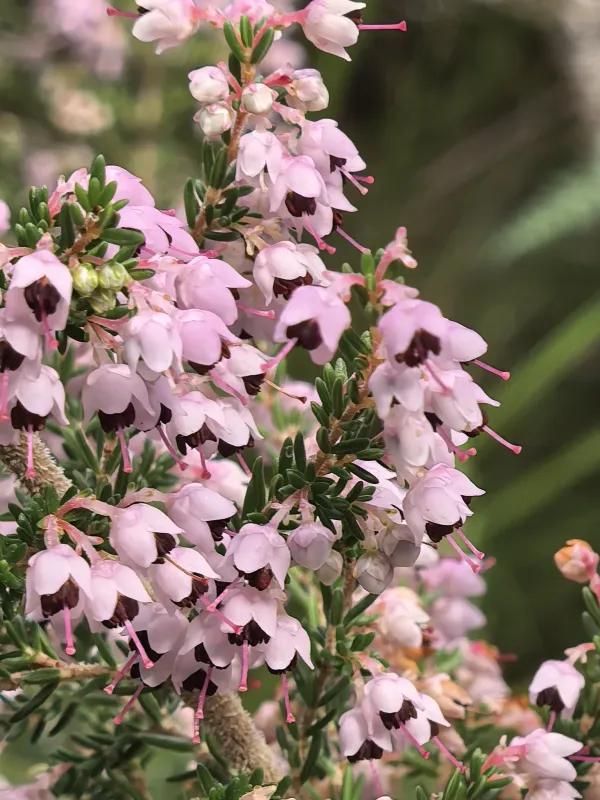
Description
Growing requirements
Erica sparsa is a specialized evergreen shrub belonging to the Ericaceae family, originating from the diverse botanical landscapes of South Africa.
This species requires highly specific edaphic conditions, thriving best in sandy, well-draining, and acidic substrates. Ensuring adequate drainage is the most critical aspect of the plant's long-term survival.
Environmental requirements include a cool to moderate climate with consistent atmospheric humidity. The plant does not tolerate extreme heat or prolonged drought, which necessitates careful site selection in temperate gardens.
Maintenance involves frequent, light irrigation with soft or acidified water to maintain the required pH level (4.5 to 5.5). Any rise in soil pH will lead to nutrient lockout and plant decline.
Pruning is recommended after the blooming phase to maintain a compact habit and encourage new growth. It is essential to avoid deep soil cultivation around the root zone, as the fine root system is easily damaged.
Main diseases and pests
Root rot pathogens, particularly Phytophthora species, are the primary threat, often activated by poor drainage or overwatering the growing medium.
Mealybugs and spider mites represent common pest challenges, particularly in glasshouse environments or during periods of restricted air movement.
Botrytis cinerea may affect the foliage and stems if the plants are kept in environments with poor ventilation and high residual moisture.
Chlorosis, manifesting as yellowing foliage, is a frequent physiological disorder caused by iron deficiency in soils that have become too alkaline.
Herbivorous pests can cause structural damage to the stems, making them more susceptible to opportunistic fungal infections that enter through wounds.