
Erica patersonia
Erica patersonia Andrews
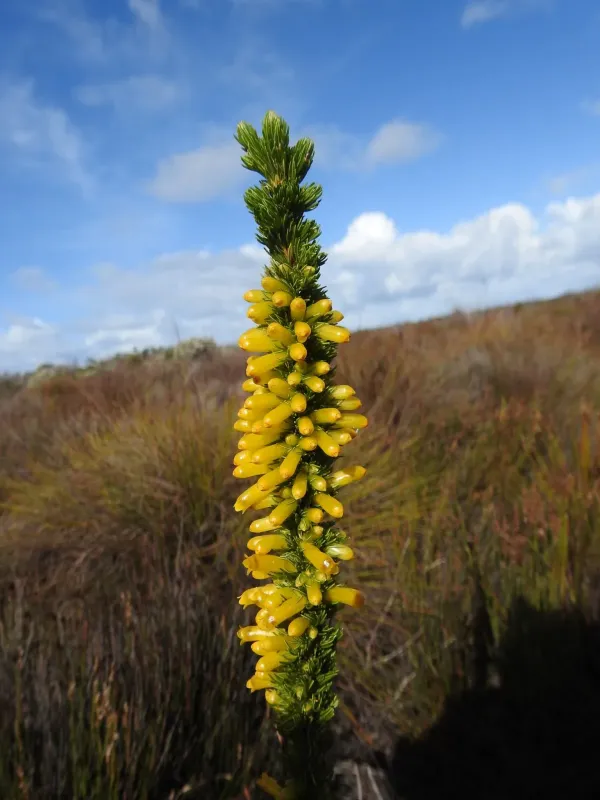
Description
Growing requirements
Erica patersonia is a perennial evergreen shrub belonging to the Ericaceae family, known for its unique tubular blooms and resilient structure. Native to South Africa, this plant thrives in environments that mimic its natural mountainous or coastal rocky habitats.
To cultivate Erica patersonia successfully, it is essential to provide highly acidic, well-draining soil. A pH level between 4.5 and 5.5 is crucial; deviation from this range typically results in nutrient lockout and the rapid decline of the plant.
The plant requires plenty of sunlight to maintain a dense, compact form and to stimulate prolific flowering. While it enjoys bright conditions, it should be sheltered from harsh, desiccating winds that can damage the delicate evergreen foliage.
Water management is the most critical aspect of the plant's maintenance. Erica patersonia requires consistent soil moisture but cannot tolerate "wet feet." A superior drainage layer is mandatory to prevent the accumulation of water around the sensitive root system.
Mulching is a standard practice for maintaining soil moisture and acidity levels. Using organic materials like pine needles or peat moss helps to recreate the forest floor conditions that this species naturally prefers, ensuring long-term health and vigor.
Main diseases and pests
Root rot caused by Phytophthora species is the primary threat to the health of Erica patersonia. This condition is almost always a result of poor drainage or overwatering, leading to the collapse of the root system and subsequent wilting of the stems.
Pests such as spider mites and mealybugs can pose a significant challenge, especially in protected environments like greenhouses or sheltered gardens. Regular inspection of the underside of leaves is recommended to detect early infestations before they spread.
Fungal pathogens, including gray mold (Botrytis), may flourish if the plant is kept in an area with stagnant, humid air. Proper spacing between individual plants is necessary to promote air circulation and reduce the risk of secondary infections.
Nutritional deficiencies, specifically iron chlorosis, are common when the soil pH is not maintained at the required level. Leaves will turn yellow while the veins remain green, signaling that the plant cannot access the nutrients in the soil.
Effective management includes preventative measures: avoiding overhead irrigation, maintaining correct soil acidity, and ensuring the plants are situated in areas with optimal airflow. When chemicals are necessary, select products specifically labeled for use on acid-loving ericaceous plants.