
Erica nana
Erica nana Salisb.
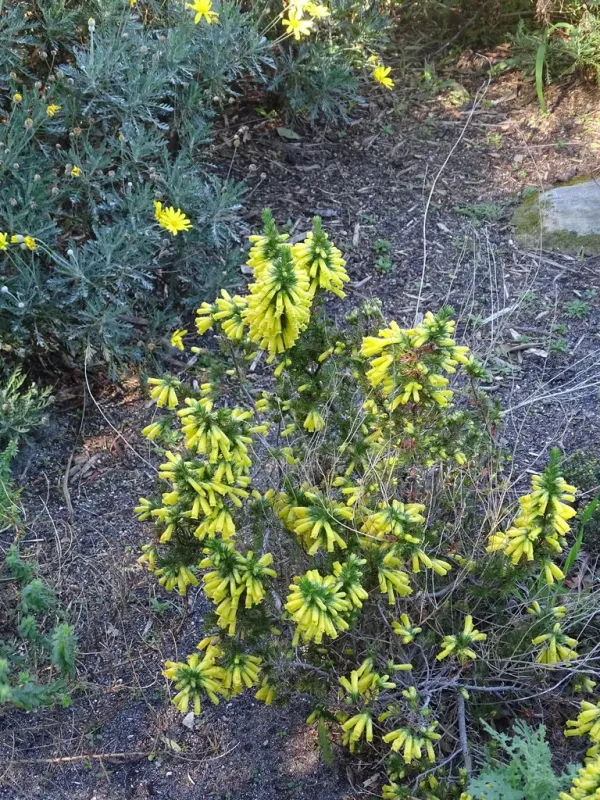
Description
Growing requirements
Erica nana belongs to the family Ericaceae, representing a group of low-growing evergreen shrubs. Originally from the mountainous regions of South Africa, this species has adapted to specific ecological niches with low nutrient availability and high drainage requirements.
This crop is highly sensitive to soil chemistry and requires acidic substrates to thrive. Ideally, the planting medium should be composed of peat, sand, and pine bark to ensure adequate aeration and maintain a low pH level, which is essential for nutrient uptake.
Erica nana prefers bright, sunny locations but requires protection from intense midday heat, especially in warmer climate zones. It thrives in well-ventilated areas but should be shielded from strong, dehydrating winds that can damage its delicate foliage.
Maintaining a consistent level of soil moisture is vital for this plant. The use of organic mulch, such as pine needles or shredded bark, helps to regulate ground temperature and prevents the evaporation of moisture from the root zone during dry spells.
Irrigation must be performed using soft, demineralized water. Alkaline water, typical of many tap sources, can rapidly change the soil pH, causing irreversible damage to the root system and resulting in chlorosis and stunted growth.
Main diseases and pests
The primary threat to Erica nana is root rot, specifically caused by Phytophthora species. This disease is usually a direct consequence of poor drainage or overwatering, which creates an anaerobic environment unfavorable for the roots.
Grey mold (Botrytis) represents another significant challenge, particularly in humid or overcrowded conditions. It manifests as a fuzzy fungal growth on the stems and leaves, requiring prompt removal of affected parts and improved air circulation.
Pests such as spider mites and scale insects are frequently encountered in cultivation. These insects drain plant sap, leading to foliage discoloration, loss of vitality, and eventual decline of the shrub if left untreated.
Effective management involves the application of appropriate systemic insecticides and miticides. Integrated pest management strategies, focusing on early detection through regular monitoring, are the most successful ways to keep the plants healthy.
General plant vigor can be supported through careful pruning and the use of fertilizers designed for acid-loving plants. Maintaining a clean growing environment and avoiding high humidity around the foliage will significantly reduce the likelihood of disease outbreaks.