
Erica multiflora
Erica multiflora L.
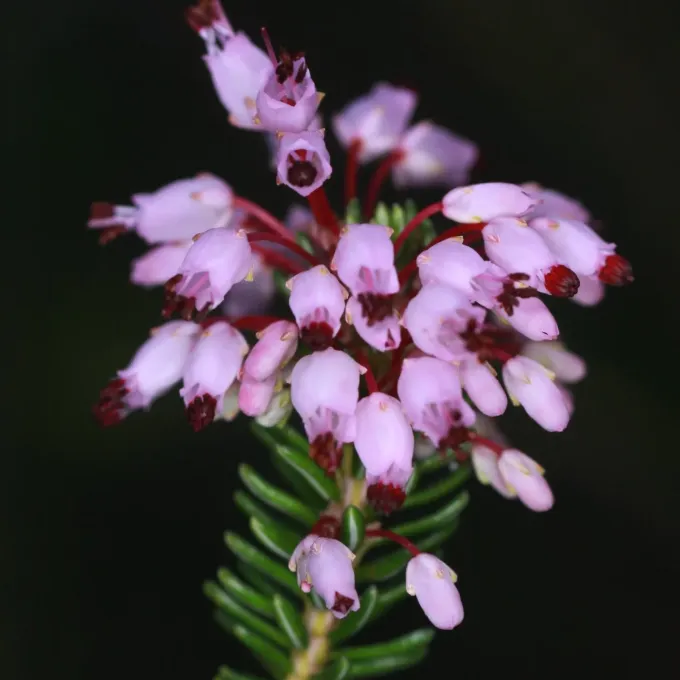
Description
Sowing dates
Propagation of Erica multiflora is typically achieved through seeds or stem cuttings, with cuttings being the preferred method for agricultural uniformity.
Seeds should be sown in early spring into a light, acidic, well-draining substrate; they require surface sowing as light is essential for germination.
Cuttings are best taken from semi-hardwood shoots and placed in a propagating tray with peat and sand, ensuring high humidity for successful rooting.
Young plants should be transplanted into larger containers or permanent beds once they have established a robust root system and can withstand environmental conditions.
Care must be taken to provide consistent but not excessive moisture to young seedlings to prevent fungal damping-off during the critical growth phase.
Growing requirements
Erica multiflora is an evergreen shrub belonging to the Ericaceae family, widely known for its ability to thrive in poor, rocky, and acidic soils.
This species requires full sun to partial shade exposure and prefers climates characterized by mild winters and moderate annual rainfall patterns.
Soil drainage is the most critical factor for successful cultivation, as waterlogged conditions quickly lead to root rot and eventual plant collapse.
While tolerant of low-nutrient soils, the addition of organic mulch such as pine needles or acidic compost helps retain soil acidity and moisture levels.
The plant is highly adaptable to coastal regions, making it a sustainable choice for landscaping and nectar production in Mediterranean-type climates.
Main diseases and pests
Root rot caused by Phytophthora species is the most significant disease threat, particularly when soil drainage and aeration are poorly managed.
Grey mould (Botrytis cinerea) can affect the plant during periods of high humidity and poor air circulation, necessitating improved plant spacing.
Common pests include spider mites and scale insects, which can cause leaf yellowing and reduced vigor, especially in stressed or neglected specimens.
Management of these threats involves rigorous sanitation, including the removal of infected parts and the application of fungicides if necessary.
Regular monitoring of foliage color and growth patterns allows producers to intervene early before infestations spread across the entire plantation.
Harvesting
Erica multiflora serves as a vital autumn honey plant, providing bees with a final nectar source before the onset of the colder winter months.
The nectar gathered from this crop results in a unique, dark, and thick honey that is highly prized for its distinct flavor and mineral content.
Harvesting for ornamental purposes typically involves pruning after the flowering season to maintain the plant's shape and encourage future growth.
Flowering stems are harvested for floral arrangements, as they retain their aesthetic appeal for an extended period after being cut from the bush.
Strategic pruning and maintenance of the shrubs ensure consistent nectar production, directly impacting the overall productivity of local apiaries.