
Erica melanthera hybrid
Erica melanthera x Erica sparsa
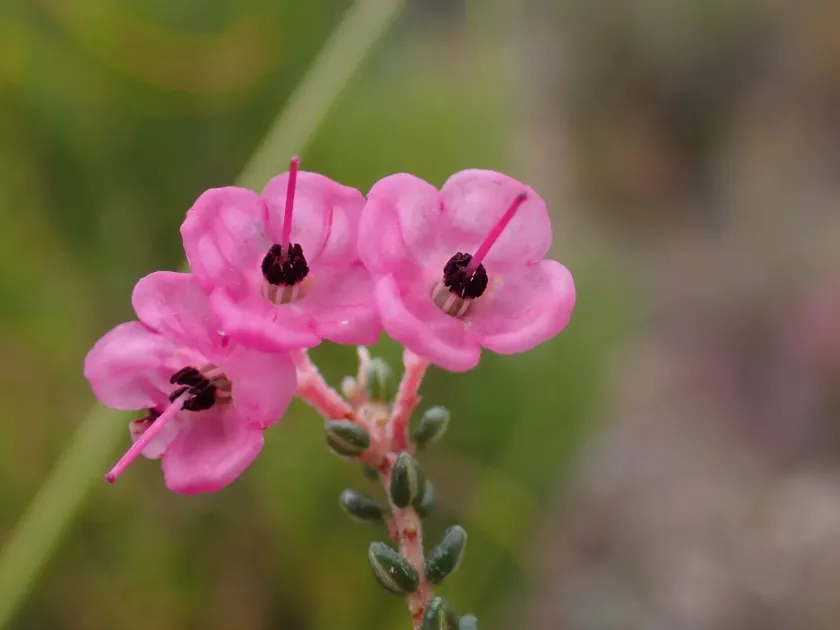
Description
Growing requirements
The Erica melanthera hybrid is a distinguished evergreen shrub belonging to the Ericaceae family. Known for its delicate flowers and dense habit, it is widely utilized in ornamental horticulture for its winter-blooming capabilities.
Cultivating this species requires an acidic soil profile, typically ranging between 4.5 and 5.5 pH. The substrate must be highly porous, consisting of sand, pine bark, and peat to facilitate optimal drainage and root oxygenation.
The plant thrives in regions with temperate maritime climates, where the air is sufficiently moist. In garden settings, it is best placed in positions that offer partial shade to protect the foliage from intense midday heat.
Water management is crucial for the health of Erica hybrids. They require consistent moisture levels, yet they are extremely sensitive to waterlogging. It is recommended to use rainwater or deionized water to prevent salt accumulation in the substrate.
Temperature control is essential, particularly for container-grown plants. While they show some tolerance to cold, they must be protected from freezing winds and temperatures below freezing to avoid severe tissue damage.
Main diseases and pests
Phytophthora root rot is the most devastating disease for Erica species, often triggered by stagnant water in the root zone. Once infected, the plant is difficult to save, making preventive drainage management the primary defense.
Gray mold (Botrytis cinerea) can cause significant damage during humid, stagnant periods in greenhouses. Maintaining constant air circulation and removing dead plant material are standard sanitation practices.
Spider mites are common pests that thrive in the dry conditions often found indoors. Their feeding results in foliage stippling and eventual leaf drop, significantly reducing the plant's aesthetic value.
Scale insects present another challenge, often hiding in the dense foliage of the plant. Systemic insecticides are generally effective, though physical removal is advised for small-scale infestations.
Monitoring for signs of nutrient imbalance, such as chlorosis, is vital. Excessive use of fertilizers can lead to root burning; therefore, only specialized low-nitrogen ericaceous feeds should be applied sparingly.