
Erica manipuliflora
Erica manipuliflora Salisb.
Description
Growing requirements
Erica manipuliflora is a perennial evergreen shrub belonging to the Ericaceae family, native to the Mediterranean region. It is a highly valued ornamental plant known for its hardiness and tolerance to rocky, nutrient-poor soil conditions within its natural habitat.
The cultivation of this plant requires specific soil conditions, primarily an acidic pH and excellent drainage. It is essential to avoid waterlogging, which is a major cause of failure in domestic gardens. Planting in raised beds or adding grit to the soil mix is a standard practice to ensure root health.
Climatically, the plant prefers full sun to light shade and is well-adapted to the hot, dry summers characteristic of its native range. However, it displays a reasonable degree of frost tolerance, although it appreciates protection from harsh winds during the winter months.
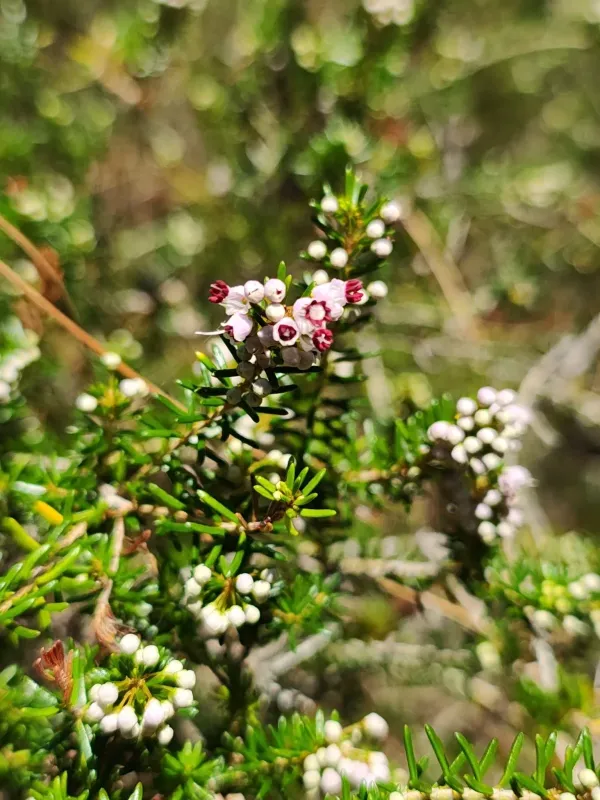
Botanically, Erica manipuliflora is distinguished by its whorled, needle-like foliage and terminal, elongated racemes of bell-shaped flowers. The blooms typically appear in late summer and autumn, offering a source of nectar when many other plants have ceased flowering.
In terms of хозяйственное usage (economic use), it is widely utilized in landscape architecture to provide texture and late-season color. It is also significant in apiculture as a late-season honey plant, supporting pollinator health in Mediterranean ecosystems.
Main diseases and pests
The primary threats to this species include fungal pathogens that thrive in wet conditions, such as Phytophthora root rot and Botrytis (gray mold). Proper site selection and drainage management are the most effective preventative measures against these diseases.
Pests such as spider mites may become problematic during periods of prolonged drought and low humidity. Monitoring the underside of leaves for early signs of infestation is crucial, as is maintaining consistent but not excessive moisture levels.
Soil alkalinity is a major physiological threat to this plant. As an acid-loving species, Erica manipuliflora can develop severe chlorosis if the soil or water source is too alkaline, which restricts the absorption of iron and other vital nutrients.
Cultural practices such as over-fertilization, especially with high-nitrogen synthetic fertilizers, can result in weak growth and reduced winter hardiness. It is recommended to use specialized fertilizers formulated specifically for Ericaceous plants.
Pruning is essential for maintaining the vigor of the plant. Removing the old flower spikes after the blooming period not only improves the aesthetic appearance but also prevents the plant from becoming excessively woody and sparse over time.