
Eremophila splendens
Eremophila splendens
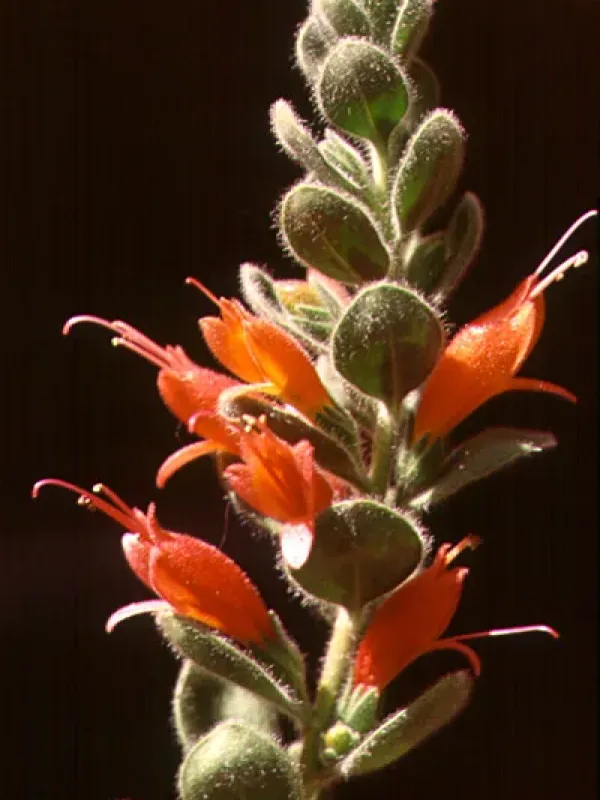
Description
Growing requirements
Eremophila splendens is an attractive shrub belonging to the Scrophulariaceae family. Native to the arid regions of Western Australia, this plant has evolved to survive in some of the harshest environments on the planet.
This species thrives in well-draining, sandy, or rocky soils that mimic its natural habitat. It is highly intolerant of waterlogged soil, which can cause its root system to decay rapidly within a matter of days.
Full sun exposure is a mandatory requirement for Eremophila splendens. The plant needs significant light intensity to maintain its compact habit and to produce its signature vibrant flowers during the blooming season.
Temperature management is critical, as the plant prefers warm conditions and struggles significantly in cold, damp climates. Providing a dry atmosphere is essential, as the plant is not adapted to high humidity.
Agricultural practices for this crop are characterized by low input requirements. Minimal irrigation is necessary, and the plant should be allowed to dry out significantly between watering sessions to ensure long-term health.
Main diseases and pests
Root rot caused by pathogens such as Phytophthora is the most common and fatal issue for Eremophila splendens. It is almost exclusively triggered by improper drainage and excessive soil moisture.
Pests such as mealybugs may infest the plant, particularly in protected environments like greenhouses. Integrated pest management, focusing on early detection and physical removal, is preferred over aggressive chemical applications.
Fungal leaf spots can develop if the foliage remains wet for extended periods. Improving airflow around the plant canopy is the most effective way to prevent these cosmetic and physiological disorders.
The plant is highly sensitive to excessive mineral fertilizers. High phosphorus levels, in particular, can be toxic to many Australian native species, including this Eremophila, leading to foliage chlorosis.
Environmental stress caused by temperature fluctuations in greenhouse settings can weaken the immune system of the shrub, making it more susceptible to opportunistic secondary infections by various molds.