
Eremophila debilis
Eremophila debilis
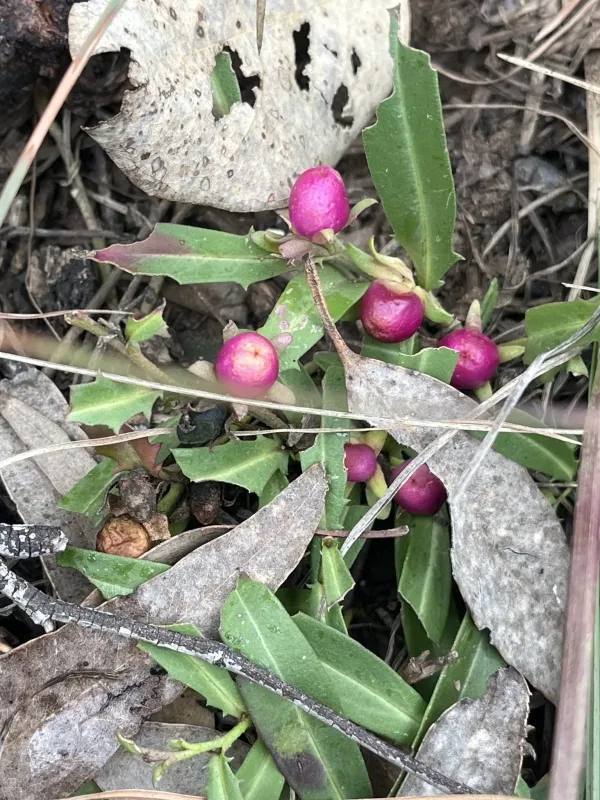
Description
Growing requirements
Eremophila debilis, commonly known as the winter apple, belongs to the Scrophulariaceae family and is native to the eastern parts of Australia. This perennial shrub is highly valued for its spreading habit and ability to serve as an attractive groundcover in arid and semi-arid environments.
The plant features distinct lance-shaped, often glossy foliage and produces tubular flowers that typically range from white to shades of pale pink or lilac. These botanical characteristics make it a popular choice for gardens seeking a drought-resistant yet aesthetically pleasing plant structure.
Optimal growth is achieved in well-draining, sandy, or loamy soils with a slightly acidic to neutral pH. Eremophila debilis is well-adapted to environments with low water availability, making it an excellent candidate for water-wise landscaping projects in warm climates.
Sunlight requirements are relatively high; the plant thrives when exposed to direct sun for most of the day, although it shows tolerance for partial shade. Proper spacing is essential to ensure adequate airflow, which is critical for the long-term health of the shrub.
The economic and practical utility of Eremophila debilis lies in its role as a decorative landscape plant. It is frequently utilized in ecological restoration, erosion control on slopes, and as a low-maintenance feature in xeriscaping applications.
Main diseases and pests
The primary threat to the health of Eremophila debilis is root rot, which typically occurs due to poor soil drainage or excessive irrigation. Maintaining a dry root zone between watering sessions is the most effective strategy for preventing fungal infections.
Pest issues are generally minimal, but infestations of aphids or scale insects may occur on young, succulent shoots. Regular monitoring and, if necessary, the application of horticultural soaps or targeted systemic insecticides can effectively manage these populations.
Soil-borne pathogens and nematodes can occasionally compromise the root system, emphasizing the importance of selecting clean, well-draining planting sites. Avoidance of heavy, water-logged clays will significantly improve the plant's resistance to underground diseases.
Pruning is a vital practice to remove dead or diseased branches and maintain the desired shape of the groundcover. By improving ventilation, proper pruning reduces the likelihood of foliage diseases during periods of increased humidity or seasonal rainfall.
Overall, Eremophila debilis is a robust and resilient species when its environmental preferences are met. By focusing on preventative cultural practices, growers can ensure the longevity and decorative appeal of this versatile Australian native plant.