
Eremophila bignoniiflora
Eremophila bignoniiflora
Description
Growing requirements
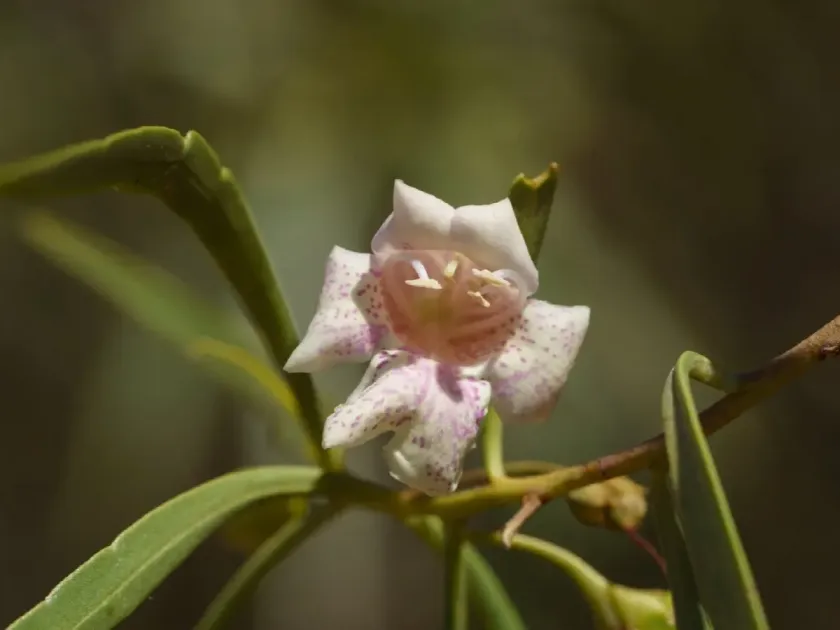
Eremophila bignoniiflora, commonly known as the bignonia-leaf emu bush, is a shrub belonging to the family Scrophulariaceae. It is native to the arid inland regions of Australia, where it has evolved to thrive in harsh, water-limited environments.
This species is characterized by its linear foliage and beautiful bell-shaped flowers that bloom in shades ranging from white to pale purple. It typically grows as a dense, rounded shrub, reaching heights of up to 4 meters under optimal conditions.
Cultivation requires well-draining soil, preferably sandy or stony textures. It cannot tolerate waterlogged conditions, which are the leading cause of plant failure in garden settings. Full sun is essential for maintaining a compact shape and promoting consistent flowering.
Agronomic management involves very low water inputs once the plant is established. It shows remarkable tolerance to heat and dry winds, making it an excellent candidate for low-maintenance landscaping and xeriscaping in semi-arid zones.
The plant has found significant utility in erosion control and revegetation projects. Its deep root system helps stabilize loose soils, while its natural resilience makes it a sustainable choice for restoring degraded land in drought-prone areas.
Main diseases and pests
Root rot is the most significant threat to Eremophila bignoniiflora. This condition is almost exclusively caused by overwatering or poorly draining soil, which suffocates the root system and invites pathogenic fungi.
Aphids and scale insects represent the most common pests. They typically infest new shoots and the undersides of leaves, causing stunted growth and yellowing. Regular monitoring is necessary to keep populations under control.
Fungal leaf spots can occur if the plant is subjected to poor air circulation. Proper spacing between individual plants is critical to allow for moisture to evaporate from the foliage quickly after rainfall or irrigation.
Nematodes may become an issue if the plant is grown in contaminated soil or in environments where the soil temperature remains consistently high and moist for long periods. Using sterile growing media is recommended for container-grown plants.
Management strategies focus on cultural controls rather than chemical intervention. Providing a dry, airy environment is the best prevention against both pests and diseases, aligning with the plant’s natural desert-adapted biology.