
Eremophila calorhabdos
Eremophila calorhabdos
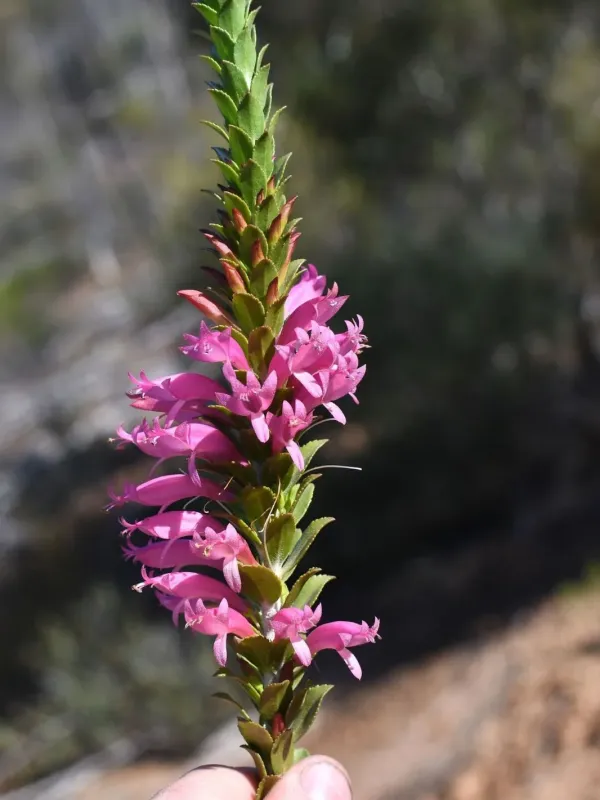
Description
Growing requirements
Eremophila calorhabdos is a unique perennial shrub belonging to the Scrophulariaceae family. Native to the arid regions of Western Australia, this plant is evolutionary adapted to survive in harsh, moisture-limited environments with high light intensity.
The plant features distinct, slender, erect stems covered in silvery, grey-green leaves. Its aesthetic appeal lies in its architectural form and the vibrant, tubular flowers that emerge during the warmer months, providing essential nectar for native pollinators.
For successful cultivation, the plant requires sandy, gravelly, or loam soils with excellent drainage properties. It is highly intolerant of waterlogged conditions, which can lead to rapid root decay, making soil composition a critical factor for success.
Climate-wise, this species demands full sun exposure to maintain its compact growth habit and produce abundant blooms. While it can withstand periods of frost, severe or prolonged freezing temperatures may require protective measures to prevent tissue damage.
Agronomic management is minimal, focusing on low-water input and avoiding heavy fertilization. A light pruning after the primary flowering season is recommended to promote bushy growth and remove spent reproductive structures.
Main diseases and pests
The most significant threat to Eremophila calorhabdos is root-rot disease, typically caused by Pythium or Phytophthora species. Maintaining a dry root zone and ensuring adequate soil aeration are the primary preventative strategies.
Pests such as scale insects and aphids may occasionally infest new growth during the spring. Integrated Pest Management (IPM) practices, including the use of horticultural oils, are effective in controlling these outbreaks without damaging the foliage.
Poor air circulation around the shrub can lead to the development of powdery mildew, especially in humid or stagnant air conditions. Strategic pruning is necessary to allow air to flow through the center of the plant canopy.
Nutrient toxicity, particularly from excessive phosphorus, can occur in some native species; however, Eremophila is generally hardy. Monitoring for localized nutrient deficiencies is advised if growth appears stunted or leaves lose their natural color.
Regular monitoring for environmental stress signs is crucial for plant longevity. By mimicking its native desert conditions—plenty of sun, minimal water, and sharp drainage—the plant will remain healthy and productive for many years.