
Eremophila racemosa
Eremophila racemosa
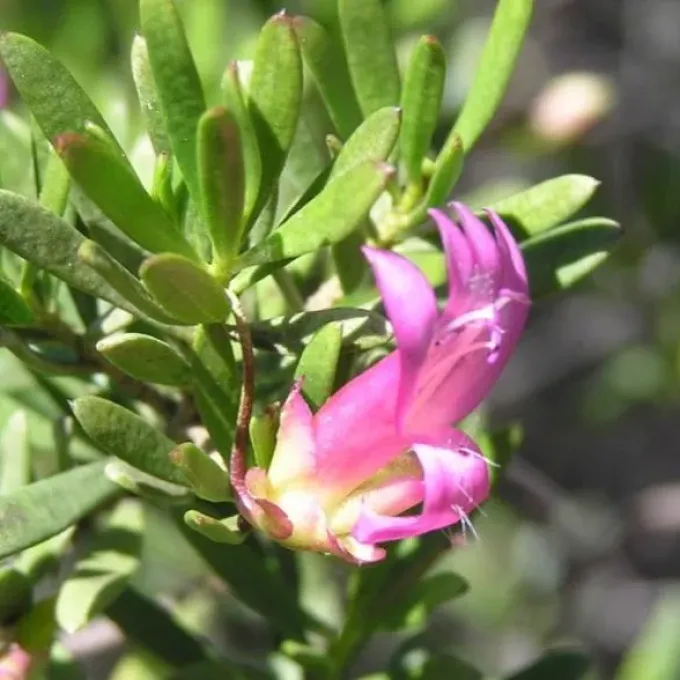
Description
Sowing dates
Propagation of Eremophila racemosa is typically achieved through semi-hardwood cuttings collected during the active growing season.
Cuttings require a well-draining rooting medium, such as a mix of sand and perlite, to prevent rot during the development of the root system.
The optimal temperature for successful rooting ranges between 20°C and 25°C, ensuring a stable environment for new growth.
After the root system has matured, plants should be gradually acclimatized to external conditions before final field planting.
Early spring planting is recommended to allow the root system to establish itself before the onset of the intense summer heat.
Growing requirements
Eremophila racemosa belongs to the Scrophulariaceae family and is native to the arid regions of Western Australia.
The plant thrives in full sun and requires soils with excellent drainage, as it is highly susceptible to waterlogging.
It is exceptionally drought-tolerant and well-suited for cultivation in xeriscaping or areas with poor, saline soil conditions.
Fertilization should be minimal, as the species is adapted to nutrient-poor environments and excessive nitrogen can negatively impact its growth structure.
Regular pruning is beneficial to maintain a dense, compact form and to encourage healthy new vegetative growth.
Main diseases and pests
The most significant threat to the health of this species is root rot caused by stagnant water or excessive soil moisture.
Mealybugs and aphids can occasionally infest the plant, particularly in sheltered or poorly ventilated environments.
Powdery mildew may develop if the plant is grown in areas with high humidity and insufficient airflow around the canopy.
Maintaining a dry environment at the base of the plant is the most effective cultural method to prevent fungal infections.
In cases of severe infestation, integrated pest management practices should be used to protect the delicate foliage from damage.