
Eragrostis superba
Eragrostis superba Peyr.
Description
Sowing dates
Sowing of Eragrostis superba is typically conducted at the onset of the rainy season to ensure sufficient moisture for seed germination. In cultivation regions, this period usually falls in late spring or early summer when soil temperatures rise to optimal levels.
For successful establishment, seeds should be sown at a depth of no more than 1-2 centimeters due to their small size. Surface sowing followed by light soil compaction promotes better contact between the seeds and the moist substrate.
The optimal seeding rate depends on the intended use: lower rates are used for pastures, while higher plant density is required for seed production plots.
It is important to note that the crop develops relatively slowly in its first year while establishing its root system. During this phase, it is crucial to limit weed competition through regular monitoring and field maintenance.
When using a seedling transplanting method, planting should take place after the last frost date, allowing the plants to adapt quickly to field conditions.
Growing requirements
Eragrostis superba belongs to the Poaceae family and is a typical representative of the Southern African savanna flora. The plant is noted for its high adaptability to arid conditions and its ability to thrive in nutrient-poor soils.
The crop prefers well-drained sandy or loamy soils with a neutral or slightly acidic pH. It reacts extremely negatively to waterlogging and heavy clay substrates prone to poor drainage.
A warm climate is essential; the plant is light-loving and does not tolerate prolonged shading. Under direct sunlight, the grass expresses its full growth potential and biomass production capacity.
The plant possesses a powerful and deep root system, allowing it to efficiently extract moisture from deep soil layers during periods of severe drought, making it a valuable component for soil stabilization in arid zones.
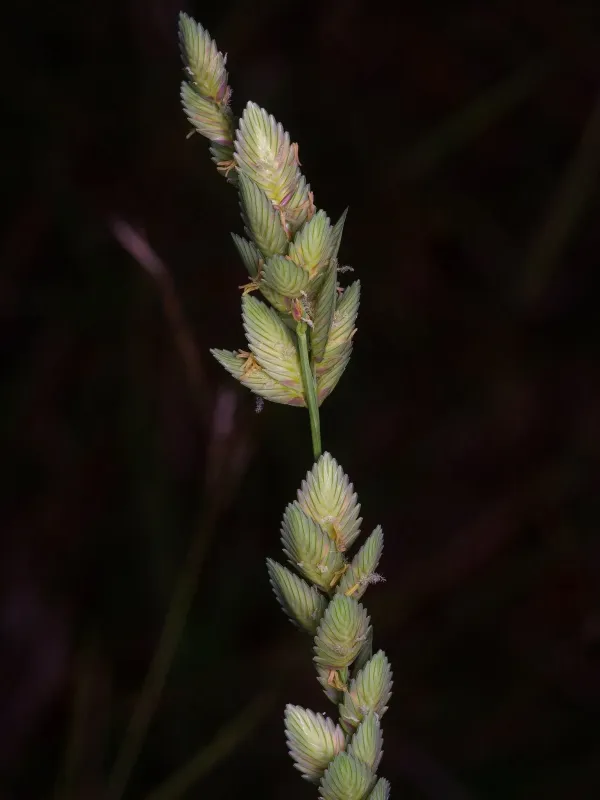
Botanically, it is a perennial tufted grass that forms dense clumps with erect stems and attractive spike-like inflorescences. Plant height varies from 30 to 90 centimeters depending on nutrient availability.
Yield
The green mass yield of Eragrostis superba is considered moderate, but the key advantage of this crop is its high nutritional value and resilience during periods when other forage grasses wither.
Under intensive grazing, the crop demonstrates excellent recovery ability after defoliation. It tolerates moderate grazing pressure well, making it a promising candidate for livestock pasture systems.
The primary agricultural use of the crop is hay production and grazing in dry regions. It is also highly valued as a component for the rehabilitation of degraded and eroded lands.
To maintain productivity, rotational grazing is recommended to prevent exhaustion of the root system and to provide sufficient rest periods for nutrient storage in the rhizomes.
In seed production fields, yield depends heavily on the timing of the harvest, as the panicles have a natural tendency to shatter once the seeds reach maturity.
Main diseases and pests
The main threats to the crop include fungal diseases that flourish during periods of abnormally high air humidity. Rust infection on the leaves can significantly reduce the nutritional quality of the biomass.
Pests, such as larvae of various Lepidoptera and Orthoptera, can cause damage to the foliage during periods of mass insect outbreaks.
Root rot is only possible if agronomic practices are neglected, specifically when the crop is grown in poorly drained areas where rainwater tends to pool.
An effective method for pest control on a commercial scale is adherence to a strict grazing regimen, which disrupts the breeding grounds of insects.
Disease prevention relies on selecting certified, healthy seed material and maintaining proper spatial isolation between plots intended for different purposes.
Harvesting
Hay harvesting is conducted during the heading phase, before the onset of active seed shedding. This ensures the production of forage well-balanced in protein and fiber content for livestock.
When using mowers, it is important to observe the correct cutting height, leaving enough vegetative mass to support the plant's subsequent regrowth.
Drying of the mown biomass should occur in the field under favorable sunny weather to prevent mold growth and ensure the preservation of essential vitamins.
Seed harvesting is performed using specialized combines with low threshing drum speeds to avoid damaging the fine seed material.
After seed collection, the remaining straw can be used as roughage for livestock or as mulch, which helps retain soil moisture for the following season.