
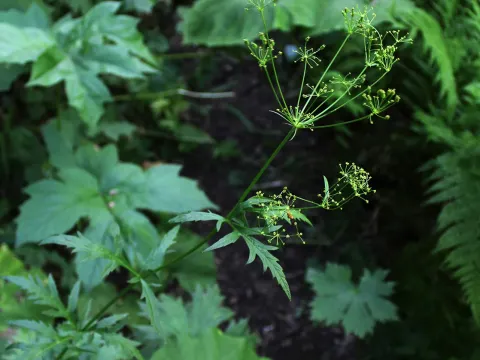
Eleutherospermum
Eleutherospermum
Eleutherospermum is a genus of herbaceous flowering plants belonging to the Apiaceae family. It is a specialized crop often studied for its botanical uniqueness and specific adaptation to temperate highland regions.
What the section contains

Eleutherospermum
Originating primarily from the Caucasus and surrounding territories, this plant thrives in forested environments. It prefers cool temperatures and avoids extreme heat, making it suitable for shaded mountainous cultivation zones.
The morphology of the plant is characterized by pinnate leaves and complex umbel inflorescences. The stem is usually upright, and the plant reaches its peak growth during the late spring and summer months.
Optimal soil conditions for Eleutherospermum include high organic matter content and a well-drained, porous structure. Maintaining adequate soil moisture levels is critical to prevent root stress and ensure vigorous stem development.
In an agricultural setting, light management is paramount. The plant requires filtered light or partial shade to perform photosynthesis efficiently without suffering from photo-inhibition or leaf scorching.
Major threats to Eleutherospermum include fungal pathogens such as rusts and mildews, which flourish in humid, stagnant air conditions. Regular thinning of plantations is necessary to improve airflow and reduce humidity levels.
Insect pests, including aphids and umbellifer miners, can cause significant damage to the plant's vascular tissue. Integrated pest management strategies, focusing on biological controls, are recommended to protect the crop.
Weed competition is a significant concern during the establishment phase. As a relatively slow grower, the crop requires manual or mechanical weeding to ensure that it has access to necessary soil nutrients.
Root-knot nematodes can also affect the productivity of the crop by attacking the root structure. Implementing proper soil sanitation practices before planting is essential for long-term health.
Environmental stress, such as extreme heatwaves or prolonged drought, increases the plant's susceptibility to secondary infections. Protective mulching is suggested to keep the root zone cool and hydrated.