
Eryngium aquifolium
Eryngium aquifolium
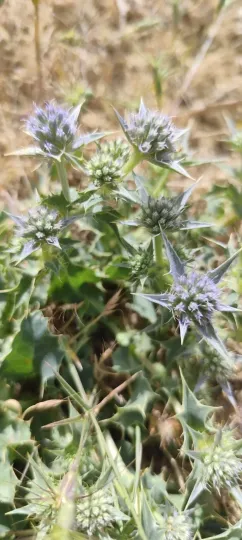
Description
Sowing dates
Propagation of Eryngium aquifolium is typically done through seeds. Sowing should take place in late autumn to ensure that the seeds undergo a mandatory period of natural cold stratification during the winter.
For spring sowing, seeds must be stratified artificially in a refrigerator for at least two months. This process mimics the winter environment, which is essential for breaking seed dormancy and ensuring successful germination.
Seeds should be sown in a well-draining, light potting mix. They require a very thin covering of substrate, as light is often a stimulus for the germination process of this specific species.
Vegetative propagation via root division is possible but challenging due to the plant's deep taproot system. It is best performed in early spring or late summer with minimal disturbance to the primary roots.
Young seedlings should be kept in a protected environment until they establish a strong root system, after which they can be transplanted to their permanent location in the garden.
Growing requirements
As a member of the Apiaceae family, Eryngium aquifolium thrives in full sun exposure. It requires at least 6 to 8 hours of direct sunlight daily to maintain its structural integrity and intense color.
The plant is highly drought-tolerant and performs best in poor, sandy, or stony soils. It is critical that the soil medium provides excellent drainage, as the species is prone to root rot in waterlogged conditions.
Soil pH should ideally be neutral or slightly alkaline. The plant does not respond well to heavy, moisture-retentive soils, which can lead to rapid decay of the crown during the winter months.
Climate adaptability is a strong point for this species, as it is naturally adapted to harsher environments. It is hardy in temperate climates and does not require special winter protection once established.
Fertilization should be kept to an absolute minimum. Excess nitrogen stimulates rapid, weak growth that makes the plant prone to lodging and reduces its long-term health and ornamental value.
Main diseases and pests
The most common threat to this plant is root rot, which typically develops in poorly drained soils or during exceptionally wet seasons. Prevention focuses on soil aeration and proper site selection.
Aphids can sometimes infest the flower heads during the flowering season. While rarely fatal, they can transmit viral diseases and reduce the overall attractiveness of the plant's foliage and flowers.
Powdery mildew may occur if air circulation around the plants is poor. Thinning out the plantings and ensuring adequate spacing between individual plants helps mitigate this fungal threat.
Slugs and snails can be a nuisance for young, tender seedlings in the early spring. Monitoring and implementing organic pest control methods are recommended during the establishment phase.
Overall plant health is closely linked to soil moisture control. Maintaining dry conditions around the root crown is the most effective way to avoid most pathogen-related issues.
Harvesting
For ornamental or floral design use, harvest the flower heads when they are fully mature and show their characteristic steel-blue coloration. Cut the stems close to the base for optimal length.
Drying the harvested material requires a dark, dry, and well-ventilated room. Hanging the stems upside down prevents bending and ensures the flowers retain their sculptural shape after drying.
Seed collection is performed when the flower heads turn brown and become dry to the touch. It is important to harvest before the seeds naturally disperse to ensure a high yield for future planting.
Medicinal harvest, if applicable, should be conducted during the peak of the flowering period when the concentration of essential oils and other active compounds is at its maximum level.
Proper storage is essential; harvested parts should be stored in paper bags in a cool, dry place to prevent mold growth and preserve the chemical composition of the plant material.