
Eleutherospermum cicutarium
Eleutherospermum cicutarium
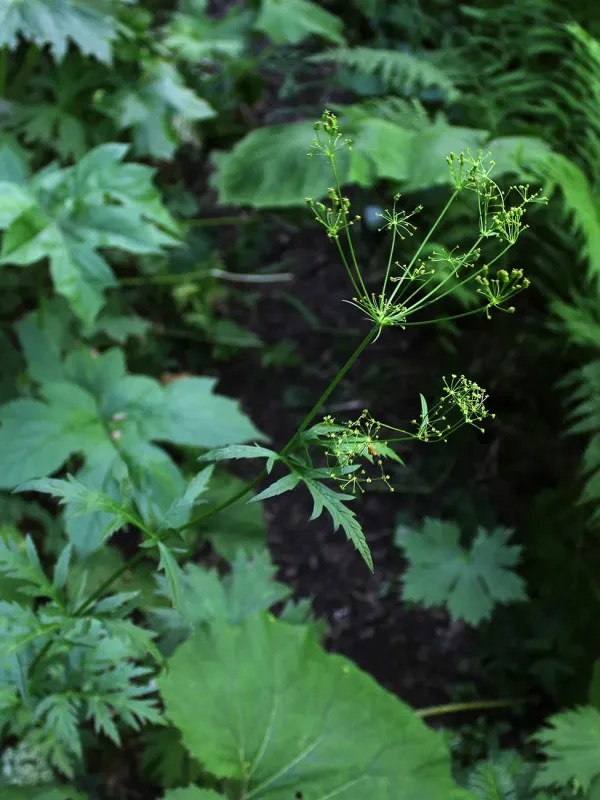
Description
Growing requirements
Eleutherospermum cicutarium is a perennial herb belonging to the Apiaceae (parsley) family. It is primarily found in the forested mountain regions of the Caucasus, where it occupies niches with high humidity and fertile soil.
The plant thrives in shaded environments. Direct sunlight can cause physiological stress, leading to leaf scorching and stunted growth. Therefore, successful cultivation requires selecting sites that mimic the natural woodland canopy.
Soil requirements are strict: the plant prefers well-drained, humus-rich substrates with a neutral pH level. Waterlogged conditions must be avoided, as the species is sensitive to root hypoxia and crown rot caused by poor soil drainage.
Regarding climate, the species is adapted to cool, moderate temperatures. It performs best in regions with consistent precipitation, avoiding areas characterized by intense heat or prolonged dry spells during the peak summer months.
Cultivation practices involve minimal soil disturbance and the maintenance of a consistent moisture layer through mulching. As a botanical specimen, it requires careful monitoring to ensure that the microclimate remains stable for its vegetative development.
Main diseases and pests
The species is susceptible to various fungal pathogens, including powdery mildew and rusts, which are common issues in many Apiaceae species when grown in crowded or poorly ventilated conditions.
Pests such as aphids and specialized leaf-miners represent a significant threat to the plant's health. These organisms can weaken the plant by extracting sap and damaging the photosynthetic tissue of the foliage.
Root zone pathogens are a critical concern in nursery production. Over-irrigation often results in the development of soil-borne fungi, which can compromise the entire root system if not addressed with proper fungicide or sanitation protocols.
Viral infections can also occur, often transmitted by insect vectors. The symptoms include leaf chlorosis and structural deformity, which can lead to reduced overall plant vigor and lower potential for propagation.
Integrated pest management strategies are recommended for this crop. These include regular inspection, the use of beneficial insects, and cultural practices that favor robust growth to increase the plant's natural resistance to diseases.