
Nile papyrus
Cyperus papyrus L.
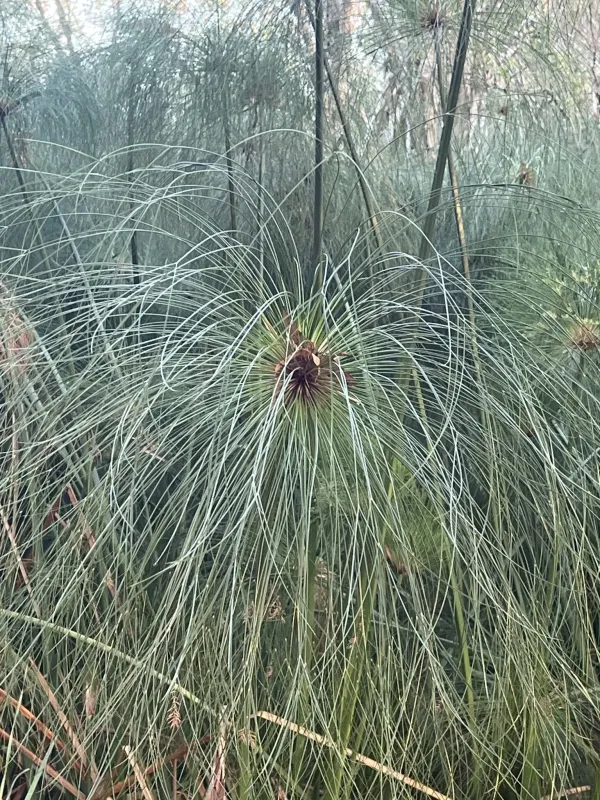
Description
Sowing dates
Propagation of Cyperus papyrus is most efficiently achieved through division of the rhizomes. This method ensures that the new plants retain all the characteristics of the parent crop, making it ideal for cultivation.
The division should be performed in early spring, as the plant begins its active growth phase. The rhizome clump is carefully divided into smaller sections, ensuring that each piece has healthy roots and viable buds.
Seed propagation is also possible but requires specialized conditions. Seeds must be sown on the surface of a damp substrate and kept in a high-humidity environment with temperatures consistently above 20 degrees Celsius.
Newly planted divisions require immediate and thorough watering. They should be protected from direct intense sunlight for the first few days until they establish themselves in their new environment.
For large-scale cultivation, spacing the plants appropriately is crucial to allow for sufficient air circulation and root development, which directly impacts the quality of the harvested stems.
Growing requirements
Cyperus papyrus is a robust wetland plant belonging to the Cyperaceae family. It is a hydrophytic species that thrives in shallow water or waterlogged soils found in tropical and subtropical regions.
The most critical requirement for papyrus is constant moisture. It is perfectly adapted to living in standing water and should never be allowed to dry out, as this will lead to rapid wilting and tissue damage.
The plant requires full sun to partial shade for optimal growth. High light intensity is necessary to produce strong, sturdy stems that are suitable for traditional papyrus paper making or weaving.
It prefers a nutrient-rich, clay-heavy soil. In containerized environments, the substrate must be capable of retaining moisture while providing enough anchorage for the tall, heavy stems.
Temperature control is essential; while it loves heat, it is not frost-tolerant. It performs best in temperatures ranging from 20 to 30 degrees Celsius, requiring protection from cold winds and freezing temperatures.
Yield
Yield in papyrus production is determined by the volume and quality of the stems harvested. In optimal tropical conditions, the plant displays high biomass accumulation rates, allowing for multiple harvests per year.
Productivity is enhanced by intensive nitrogen fertilization and consistent water management. A well-maintained patch can be harvested selectively, ensuring a continuous supply of stems for industrial or decorative uses.
The yield of raw fiber per hectare is significant. This makes Cyperus papyrus a sustainable source of cellulose, useful for both traditional crafts and potential modern industrial applications.
Regular maintenance, including the removal of dead or damaged stalks, encourages the emergence of new, faster-growing shoots, thereby maintaining the yield levels over the long term.
Standardizing the harvest based on stem maturity ensures the best quality of raw material for manufacturing, as younger stems are too flimsy and older ones may become too lignified.
Main diseases and pests
Common pests affecting papyrus include spider mites and mealybugs, which tend to flourish in conditions with stagnant air or low humidity. These pests can cause chlorosis and stunt plant growth.
Root rot is the most significant disease, usually caused by poor water circulation in the growing medium. If the water becomes septic, it can kill the rhizomes within a short period.
Nutrient deficiencies, specifically iron or magnesium, can cause yellowing of the bracts (the leaf-like umbrellas). This can be corrected by using a balanced aquatic fertilizer or adjusting the water's pH.
Preventative measures involve maintaining clean water and preventing the accumulation of decaying organic matter around the base of the plant, which acts as a breeding ground for pathogens.
Integrated pest management, including biological controls, is highly recommended if the papyrus is part of an ecosystem that includes fish or other wildlife, avoiding harsh synthetic chemicals.
Harvesting
Harvesting papyrus involves manually cutting the stems at the base, usually just above the water level. The use of sharp tools is essential to provide a clean cut and prevent trauma to the rhizome.
The ideal time to harvest is during the peak of the growing season when the stems are mature and have reached their maximum thickness and structural integrity.
Once cut, the stalks are immediately processed or sorted. Maintaining high moisture content in the harvested stems is vital for their flexibility during the traditional paper-making process.
It is important to avoid leaving harvested material in direct, harsh sunlight for extended periods, as this can dry out the tissue prematurely and make it brittle for subsequent crafting.
After the harvest, clearing out the remnants of the old stalks from the water surface is important to maintain water quality and prevent the spread of fungal diseases to the remaining plant population.