
Umbrella papyrus
Cyperus alternifolius L.
Description
Sowing dates
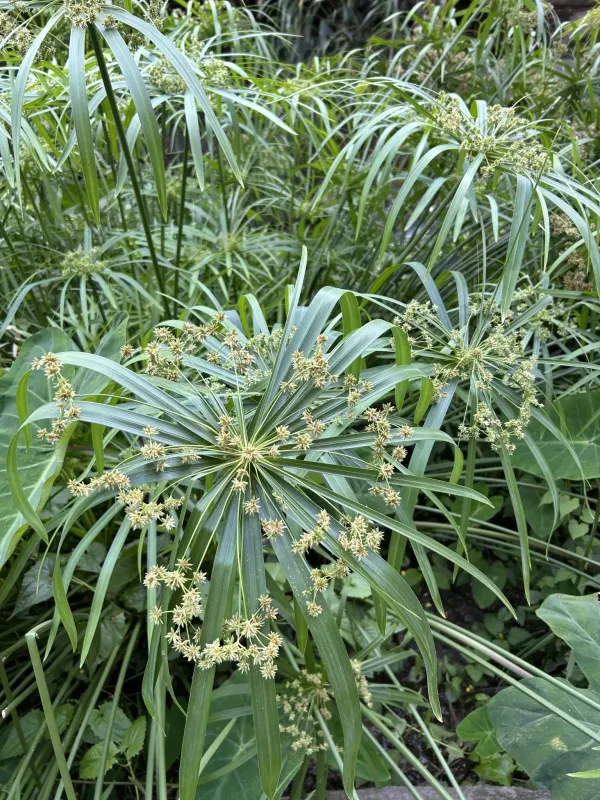
Cyperus alternifolius L., known as umbrella papyrus, is a member of the Cyperaceae family. In agricultural practices, it is primarily propagated through vegetative methods, such as crown division or the rooting of apical leaf rosettes in water.
Seed propagation is also viable and involves sowing seeds on the surface of moist, light-textured substrate in early spring. Seeds require constant light and high humidity for germination, as they are sensitive to environmental fluctuations during the initial growth phase.
Maintaining a temperature range of 22–26 degrees Celsius is critical for high germination rates. Covering seed trays with glass or plastic helps create the necessary swamp-like microclimate required for successful establishment of the seedlings.
Seedlings are pricked out once they reach a height of approximately 5–7 centimeters. Careful handling of the delicate root system is required, as the plant initiates rapid growth immediately after successfully adapting to its individual container.
Mature clumps are divided in the spring season. Using a sharp, sterilized blade is essential to prevent tissue damage and ensure that the newly separated divisions develop into vigorous, healthy plants within a short vegetative period.
Growing requirements
As a true hydrophyte, the umbrella papyrus has specialized environmental needs. Its origin in Madagascar's wetlands dictates that the substrate must remain consistently saturated with water throughout the entire growing season.
The plant thrives in nutrient-rich, humus-based soil. A balanced mix of peat, compost, and coarse sand provides the necessary structural support while allowing the roots to access both moisture and vital nutrients for optimal biomass production.
Light requirements are high, yet the species prefers indirect, bright sunlight. Direct exposure to intense midday light often leads to necrotic leaf spots and a reduction in the overall vigor of the umbrella-shaped bracts characteristic of this species.
Temperatures should be held between 18 and 25 degrees Celsius for steady growth. While the plant can tolerate short periods of cooler weather, prolonged cold stress is detrimental to its metabolic processes and overall aesthetic quality.
Regular fertilization is required during the peak growing season using a balanced, diluted liquid fertilizer. Since the plant is sensitive to salt accumulation, regular flushing of the container or pond water is recommended to maintain optimal growth conditions.
Main diseases and pests
Spider mites represent a primary pest threat, especially in environments with low atmospheric humidity. Regular misting and the maintenance of high surrounding moisture levels are effective preventative strategies to keep mite populations in check.
Scale insects and mealybugs can infest the leaf axils, drawing sap and weakening the plant. Systematic application of horticultural oils or approved systemic insecticides is necessary to eradicate these pests and prevent damage to the terminal growth points.
Root rot is often the result of poor water quality or anaerobic conditions in the substrate. Ensuring that water is refreshed regularly and that the medium remains sufficiently aerated, even when saturated, is essential for healthy root development.
Iron deficiency often presents as chlorosis, where the leaves become pale or yellow. Providing iron chelates or adjusting the soil pH can help restore the plant’s deep green color and improve its photosynthetic efficiency.
Integrated pest management protocols, including regular visual inspections and cleaning of the foliage, are key to preventing large-scale outbreaks of common pests in large-scale nursery or greenhouse productions.