
Yellow flatsedge
Cyperus flavidus Retz.
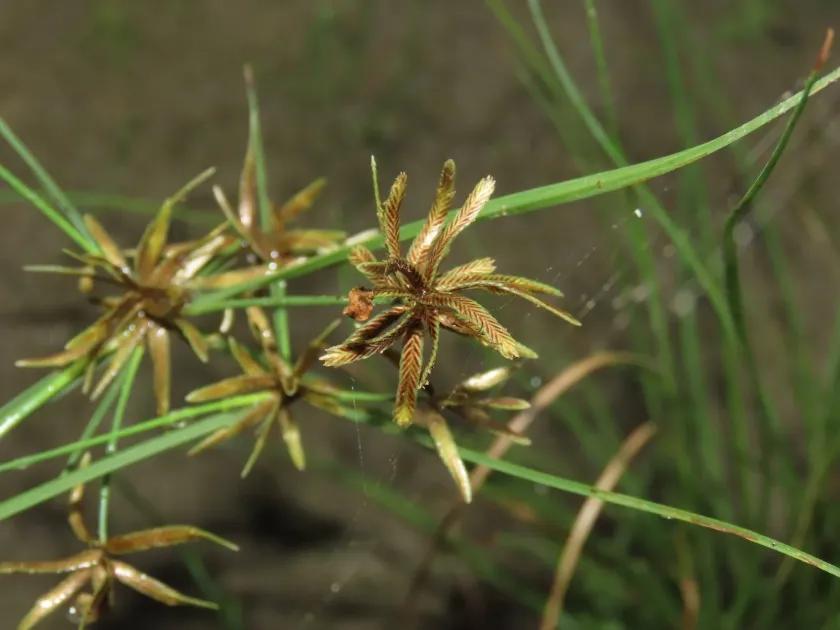
Description
Growing requirements
Yellow flatsedge (Cyperus flavidus) is a herbaceous plant belonging to the Cyperaceae family. It is typically found in environments characterized by high moisture levels, often acting as a key component of wetland vegetation across its broad geographic range.
The native distribution of this species spans across several continents, primarily in tropical and subtropical regions. It is highly adapted to riparian zones, marshes, and damp agricultural margins, where it effectively stabilizes soil and contributes to local biodiversity.
Regarding environmental requirements, the plant thrives in areas with consistent soil moisture and warm temperatures. It prefers full sun exposure to maintain its metabolic activities and reproductive vigor, which is essential for uniform stand development.
Soil preferences lean towards nutrient-rich, moist substrates with a pH balance ranging from slightly acidic to neutral. The species is highly tolerant of intermittent inundation, making it suitable for land management in areas prone to seasonal flooding or high water tables.
Agricultural management of this crop focuses on maintaining the appropriate water level and ensuring the site remains free from invasive weeds that compete for light and space during the initial growth stages.