
Annual sedge
Cyperus compressus L.
Description
Growing requirements
Cyperus compressus L., commonly known as annual sedge, is a representative of the Cyperaceae family. It is recognized for its adaptation to tropical and subtropical environments, where it occupies moist, low-lying habitats and agricultural landscapes with high moisture retention.
The distribution range of the annual sedge extends across tropical Asia, Africa, and parts of the Americas. It is commonly found in rice paddies and along the edges of aquatic ecosystems, functioning as an indicator species for areas with frequent water saturation.
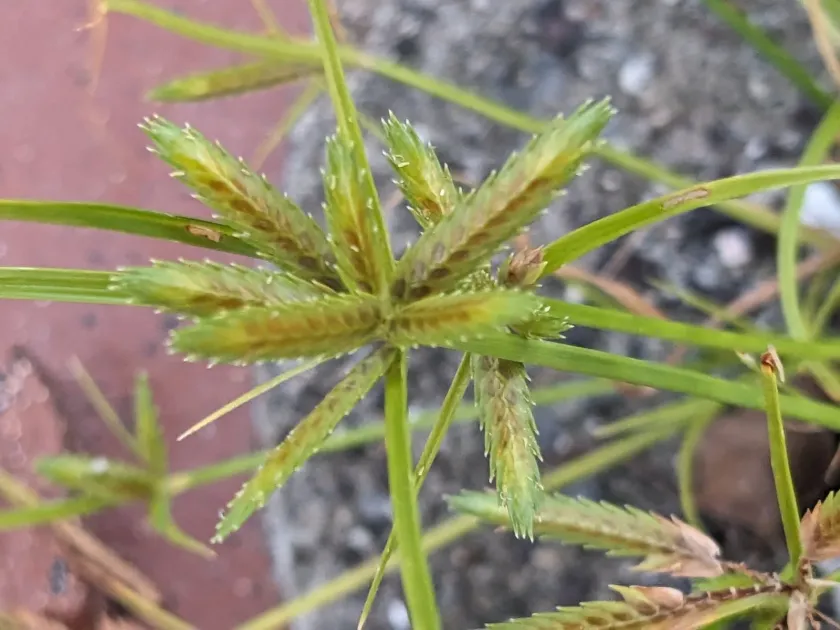
Botanically, the plant is characterized by triangular culms and grass-like leaves. Its most distinctive feature is the dense, flattened spikelets clustered together, which provide a compact look. The root system is fibrous and shallow, allowing it to absorb nutrients rapidly after rainfall.
Environmental requirements include high temperature and light availability. The species thrives in climates where thermal conditions remain between 22 and 30 degrees Celsius during the growing season, which ensures rapid development and effective biomass accumulation.
Soil management for this plant involves maintaining moderate soil fertility and consistent moisture. While it can withstand temporary flooding, the plant performs best in sandy or loamy soils that provide good aeration despite high water levels, preventing the accumulation of toxic anaerobic compounds.
Main diseases and pests
Pathogenic fungi pose the most significant threat to the health of annual sedge. In humid conditions, rust fungi and leaf spots can cause extensive damage to the foliage, reducing the photosynthetic efficiency and overall vitality of the plant population.
Insects such as mining larvae and aphids are common pests that affect Cyperus compressus. By feeding on the internal tissues of the stems, these insects compromise the structural integrity of the plant, often leading to secondary bacterial decay.
Nematodes represent an underground threat, particularly in warm, moist soils where they can proliferate and severely weaken the root system. This damage often results in stunted growth and increased susceptibility to other biotic and abiotic stressors.
Effective management against these threats relies on integrated pest control strategies. Maintaining field hygiene and ensuring that the plant is not overly stressed by nutrient deficiencies are essential for mitigating the impact of pests and diseases.
Regular monitoring of the growing area is crucial to detect early signs of infestation. Implementing cultural practices, such as proper field drainage, helps to manage pest populations naturally, reducing the need for chemical interventions in sensitive ecosystems.