
Spreading Cyperus
Cyperus diffusus Vahl
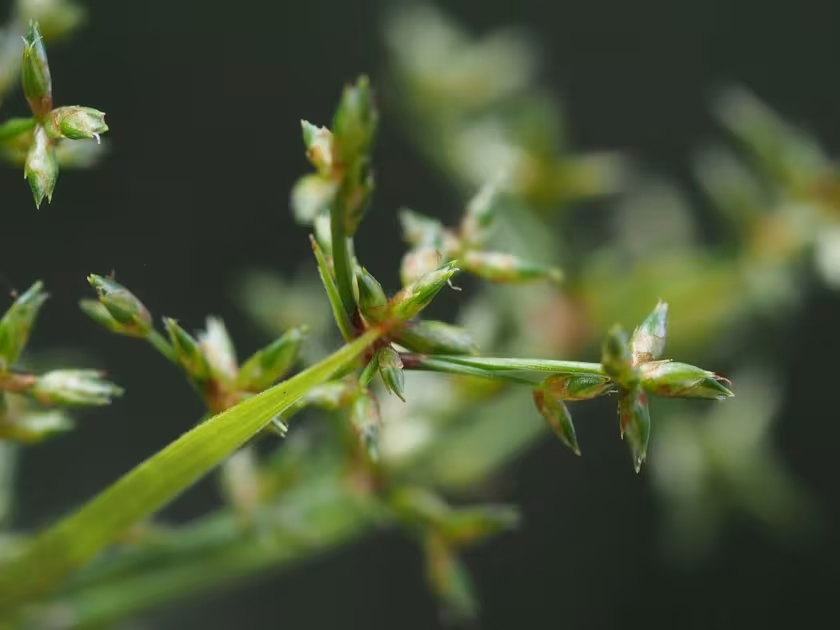
Description
Growing requirements
Spreading Cyperus (Cyperus diffusus) is an ornamental plant belonging to the Cyperaceae family. Originally native to tropical regions, it has gained popularity worldwide as a decorative foliage plant suited for humid environments.
The plant features a basal rosette of spreading, linear leaves and distinct terminal umbels. These botanical characteristics provide a graceful look, making it a desirable subject for interior landscaping and specialized horticultural collections.
Environmental requirements focus on high humidity and protection from extreme temperatures. It thrives in locations with indirect sunlight, as direct exposure can severely damage the delicate leaf structure of this species.
Agricultural practices involve maintaining consistently moist soil conditions. The ideal substrate is a peat-based mix with high drainage capacity, ensuring that the roots remain hydrated without becoming waterlogged in stagnant environments.
Economically, Cyperus diffusus is primarily grown for the ornamental market. It is widely utilized in botanical conservatories, residential interior decor, and as a centerpiece in aquatic or terrarium setups where high moisture levels can be sustained.
Main diseases and pests
Pest pressures primarily include spider mites and mealybugs. These organisms thrive in environments where air circulation is poor or humidity levels drop below the threshold required by the plant.
Pathogenic threats include root rot triggered by cold temperatures combined with excessive soil moisture. Proper sanitation of tools and substrate quality control are essential to prevent the spread of fungal diseases within the crop.