
Cyperus monophyllus
Cyperus monophyllus Vahl
Description
Growing requirements
Cyperus monophyllus Vahl is a species of the sedge family (Cyperaceae). This perennial herbaceous plant is native to tropical and subtropical regions, naturally occurring in marshy areas, wetlands, and along the banks of freshwater bodies where moisture is abundant year-round.
The plant demonstrates a strong adaptation to hydric soils, often dominating the vegetation in areas prone to seasonal flooding. Its ecological footprint is significant in maintaining the stability of riparian zones and protecting wetland ecosystems from siltation.
Regarding soil requirements, Cyperus monophyllus thrives in rich, slightly acidic to neutral alluvial soils. It requires consistent irrigation or waterlogged conditions to maintain its physiological functions, as it lacks drought-tolerance mechanisms.
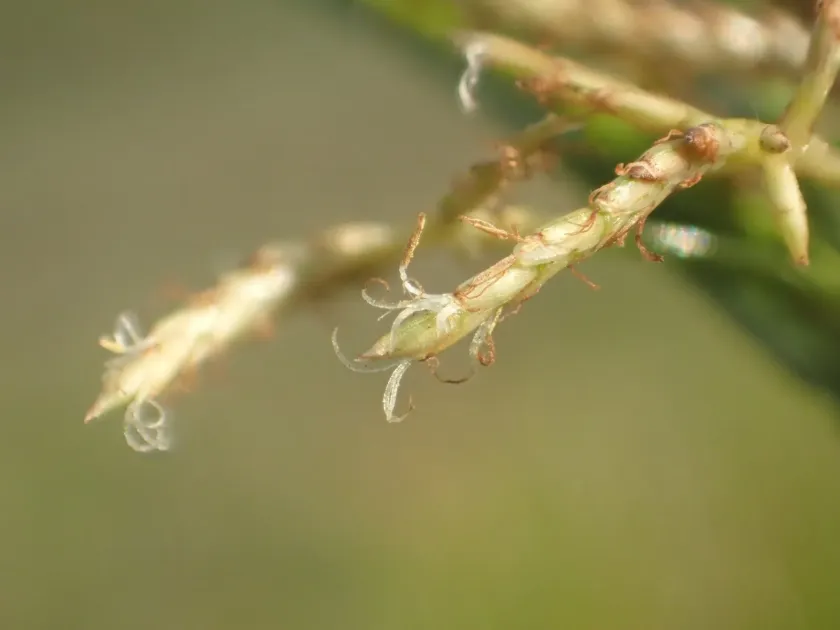
Botanically, the plant is characterized by its stiff, erect stems and dense clusters of spikelets. Its root system consists of robust rhizomes that facilitate clonal growth and efficient nutrient uptake from wet, oxygen-poor substrates.
Temperature remains a critical factor, with the plant requiring a warm tropical or subtropical climate. Growth typically peaks in regions where average daily temperatures do not fall below 20°C, and exposure to frost can be lethal to the plant's aerial tissues.
Main diseases and pests
The plant is susceptible to various fungal pathogens, particularly those causing leaf spot diseases in humid conditions. Pests affecting the species include specialized stem-boring insects and larvae that consume the developing inflorescences, impacting natural seed dispersal.
Harvesting
In terms of agricultural utility, the species is harvested in some areas for its biomass, which serves as supplementary fodder for livestock. Furthermore, it is occasionally utilized in local artisanal craft industries, similar to other species within the Cyperus genus.