
Rice flatsedge
Cyperus iria L.
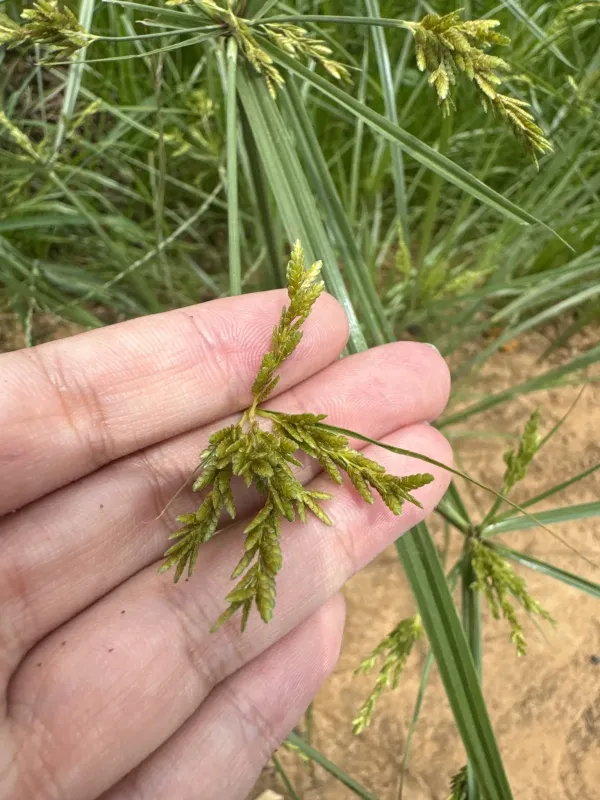
Description
Growing requirements
Rice flatsedge (Cyperus iria L.) is an annual herbaceous plant belonging to the Cyperaceae family. It is widely recognized as a significant weed in rice paddies and irrigated agricultural lands globally.
The plant thrives in warm, moist climates, particularly in regions with high precipitation or controlled irrigation. It requires soils that maintain consistent moisture levels to support its rapid vegetative growth cycle.
Botanically, it is identified by its erect, triangular stems and complex, umbrella-like clusters of yellowish-brown spikelets. These features allow it to adapt perfectly to the ecosystem of wet fields.
The lifecycle of Cyperus iria is relatively short, allowing it to produce multiple generations in a single growing season if environmental conditions, specifically water availability, remain stable.
While some communities occasionally utilize it as fodder, its role in modern agriculture is primarily that of a competitive weed that can significantly reduce crop yields if not properly managed.
Main diseases and pests
Pathogens affecting Rice flatsedge include various fungal infections like leaf blights and rusts, which can impede the plant's photosynthetic efficiency under humid conditions.
Several insect species, including specific types of stem borers and weevils, target the plant tissues. These pests can serve as a natural, though often insufficient, check on the population density.
Agricultural management relies heavily on selective herbicides designed to target Cyperaceae species without damaging the main cash crop, such as rice or other aquatic vegetables.
Integrated weed management programs emphasize the importance of water level adjustment, as dry-down periods can often stress Cyperus iria more severely than the cultivated crops.
Crop rotation and manual weeding in the early stages are also essential practices to prevent the weed from establishing a permanent seed bank in the soil profile.