
Egmont sedge
Carex egmontiana (Hamlin) K. A. Ford
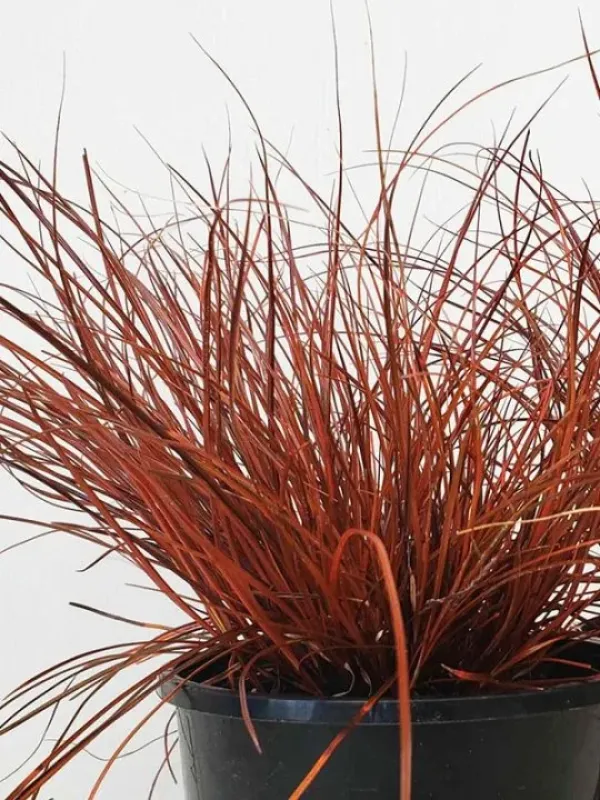
Description
Growing requirements
Egmont sedge (Carex egmontiana) is a perennial herbaceous plant belonging to the Cyperaceae family. It is native to the subalpine regions of New Zealand, specifically associated with the volcanic landscapes of the North Island, which dictates its preference for specific environmental conditions.
The plant grows in dense, tufted clumps characterized by stiff, narrow leaves. Its structural architecture makes it a preferred choice for landscape architects looking for low-maintenance, year-round ornamental foliage in temperate climatic zones.
Regarding cultivation requirements, Carex egmontiana performs best in well-drained, moist soils that are rich in organic matter. While it is adaptable to various soil types, maintaining consistent soil moisture without waterlogging is essential for optimal growth performance.
The species thrives in cool, temperate climates. Unlike many garden plants, it prefers moderate temperatures and does not cope well with prolonged exposure to extreme heat or drought, requiring shelter during the hottest months of the year.
Its primary agricultural application is in the horticultural industry as a specialized ornamental plant. It is widely used in rock gardens, gravel beds, and alpine-style landscaping, where it serves as a robust ground cover that provides excellent textural contrast.
Main diseases and pests
The most significant threats to Egmont sedge are fungal pathogens, specifically those related to root and crown rot. These conditions are predominantly triggered by poor drainage or excessive humidity around the root system, emphasizing the need for proper site preparation.
Pests, particularly mollusks such as slugs and snails, represent a major concern for the plant, especially during damp seasons. They can cause significant defoliation, reducing both the vigor and the aesthetic value of the ornamental grass.
To mitigate the risk of disease, it is crucial to ensure adequate airflow within the plant canopy. Planting density should be carefully managed to prevent the microclimate from becoming overly stagnant, which inhibits the spread of most sedge-related pathogens.
In terms of integrated pest management, growers should prioritize cultural practices over chemical interventions. Removing leaf litter and keeping the base of the plant clear helps in reducing the population density of potential overwintering pests.
If chemical control becomes necessary, fungicides or molluscicides should be applied with precision to minimize the impact on beneficial insects. Maintaining plant health through proper irrigation and soil nutrition remains the best defense against long-term threats.