
Echinodorus trialatus
Echinodorus trialatus
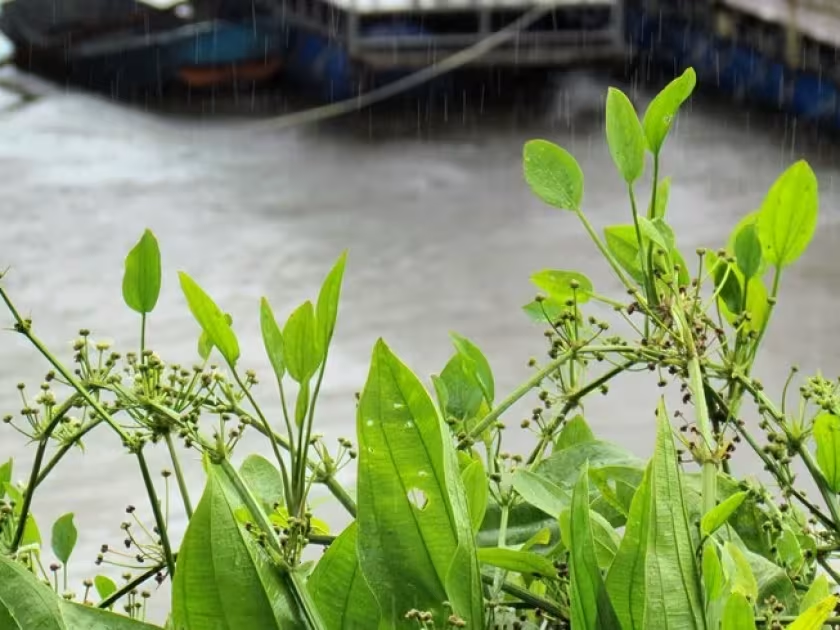
Description
Growing requirements
Echinodorus trialatus is a perennial aquatic and semi-aquatic plant belonging to the Alismataceae family. Native to the tropical regions of South America, specifically Brazil, it typically grows in swampy areas, riverbanks, and seasonal wetlands, exhibiting remarkable adaptability to varying water levels.
The plant is defined by its basal rosette of large, lanceolate or sagittate leaves. A key diagnostic feature of this species is the presence of winged petioles, which gives the plant a distinct appearance. It possesses a vigorous root system, allowing for secure anchorage in silty and muddy substrates common in its natural habitat.
Cultivation requires conditions that mimic its native tropical environment. High light intensity is essential to maintain the leaf density and vibrant coloration of the plant. In a controlled environment such as a nursery or aquarium, water temperature must be maintained consistently between 22 and 28 degrees Celsius.
The growing medium must be nutrient-dense, ideally consisting of a mix that includes clay particles and organic matter. Because the roots are the primary source of nutrient uptake, the use of a fertile substrate or periodic root fertilization is necessary for optimal growth rates and plant health.
This species is commercially valued in the aquatic nursery trade for its ornamental quality and architectural form. Its ability to transition between submersed and emersed growth states makes it a versatile crop for producers specializing in aquatic and bog plants for professional landscaping and hobbyists.
Main diseases and pests
Fungal infections represent a significant threat to Echinodorus trialatus, particularly when water circulation is poor and organic waste accumulates. These conditions can lead to the rapid onset of tissue rot, particularly in the crown and petiole base areas.
Invertebrate pests, such as various species of freshwater snails, can cause considerable physical damage by feeding on young, tender leaves. Integrated pest management strategies are recommended to maintain plant quality without harming the aquatic ecosystem.
Algal blooms act as a major environmental stressor, often caused by nutrient imbalances or excessive lighting duration. Algae compete for nutrients and light, significantly hindering the growth and development of the Echinodorus, and may require manual removal.
Nutrient deficiencies, specifically iron or nitrogen starvation, often manifest as chlorosis. This physiological disorder causes the leaves to yellow and stunted growth, necessitating precise monitoring and adjustment of the nutrient profile of the water or substrate.
In emersed culture (growing outside of water), pests like spider mites and aphids can become problematic. Regular monitoring of the foliage and the application of targeted, environmentally safe treatments are essential to preserve the health of the plants in greenhouse settings.