
Echinodorus floribundus
Echinodorus floribundus
Description
Growing requirements
Echinodorus floribundus is a distinguished member of the Alismataceae family, native to tropical environments in Central and South America. This perennial aquatic herb thrives in riparian zones and seasonal wetlands, showing remarkable physiological flexibility in both emergent and submerged conditions.
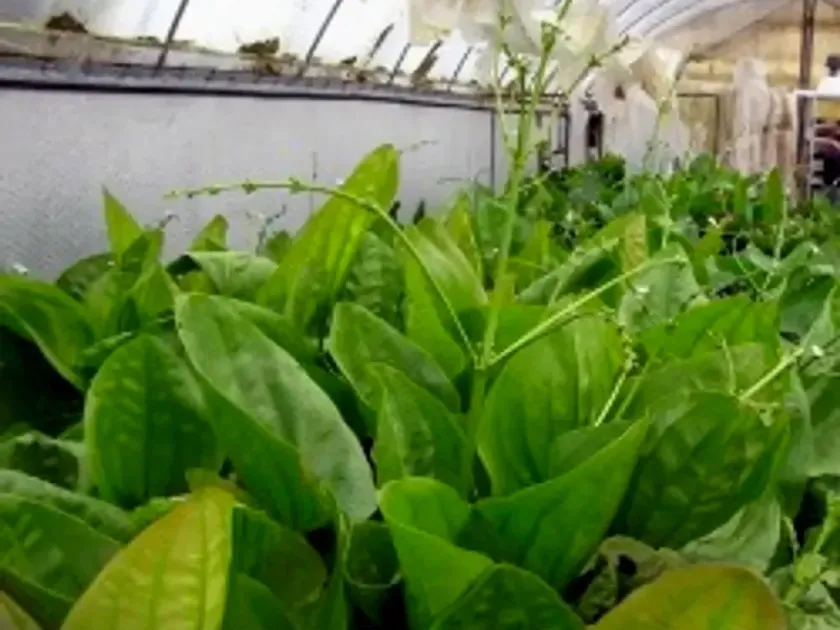
Botanically, it features a robust rhizome and a rosette of broad, petiolated leaves. The plant exhibits heterophylly, a unique adaptation where leaf morphology adjusts to environmental changes, such as immersion depth and light availability, which is a key trait for controlled environment agriculture.
Successful cultivation requires a nutrient-dense substrate with a slightly acidic to neutral pH level. Maintaining temperatures between 22°C and 28°C is essential to ensure consistent metabolic activity. In hydroponic setups, supplemental fertilization of the substrate is often required to sustain rapid growth.
Light intensity plays a pivotal role in maintaining the compact architecture of the plant. High-intensity LED arrays or natural tropical sunlight are preferred. In commercial production, a photoperiod of 10–12 hours is standard to ensure the formation of vigorous adventitious plantlets on the inflorescence stems.
Propagation is primarily achieved via vegetative methods. The plant produces long scapes that carry clusters of daughter plants. This strategy allows producers to scale their output efficiently while maintaining the specific genetic traits of the mother plant, which is vital for standardized commercial crops.
Main diseases and pests
The primary threats to Echinodorus floribundus include fungal infections such as Fusarium wilt, which often occurs due to poor soil drainage or excessive stagnant water. Ensuring adequate aeration around the root zone is the most effective management strategy to prevent such decline.
Pests such as aquatic snails and aphids represent recurring challenges in greenhouse environments. Integrated pest management, including physical barriers and the introduction of biological predators, is generally preferred over chemical interventions to preserve the health of the aquatic ecosystem.