
Gabriel's Echinodorus
Echinodorus gabrieli
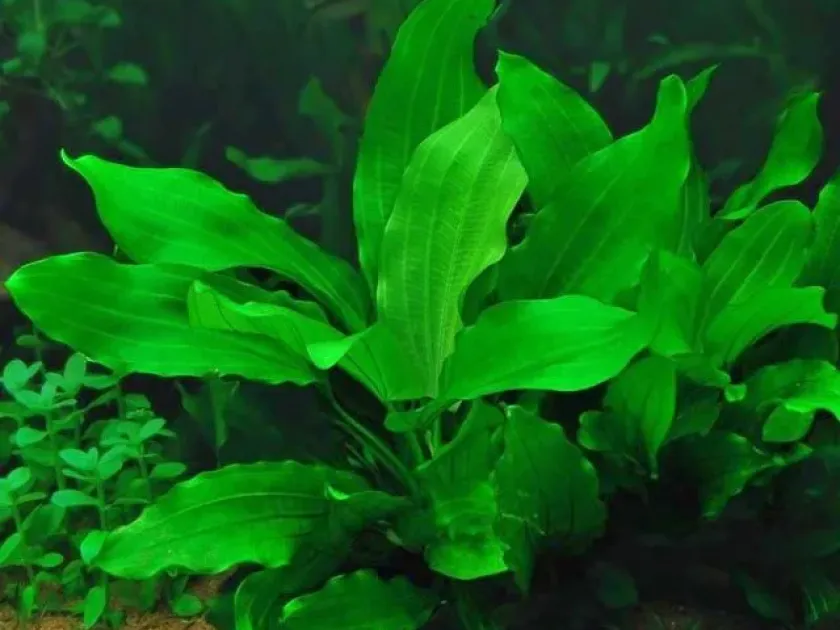
Description
Growing requirements
Gabriel's Echinodorus (Echinodorus gabrieli) is a species of aquatic plant belonging to the Alismataceae family. It is a popular ornamental species in the aquarium industry, valued for its lush foliage and growth habit.
The plant originates from the tropical wetlands of South America. It is typically found in rivers and marshes, where it adapts to seasonal water level changes, making it a versatile plant for high-end aquascaping projects.
Cultivation requires a nutrient-rich substrate. Since the plant relies heavily on root feeding, incorporating base fertilizers or clay-based substrates is essential for healthy development and vibrant leaf color.
Water parameters should ideally include a pH of 6.5 to 7.2 and a temperature range between 22°C and 26°C. High water quality is vital, as the plant is sensitive to significant changes in water chemistry.
Consistent lighting and CO2 supplementation are recommended to achieve the full genetic potential of the plant. A photoperiod of about 10 hours of moderate-to-high intensity light ensures optimal photosynthetic efficiency.
Main diseases and pests
The primary threats to this species include nutrient imbalances in the water column. Deficiencies in trace elements like iron and manganese quickly manifest as yellowing leaves and reduced growth rates.
Algae infestation is a common challenge for this plant. If the light intensity is too high without adequate nutrient supply, algae will outcompete the Echinodorus, covering its broad leaves and hindering growth.
Root rot is a significant risk if the substrate becomes anaerobic. Compacted or overly fine sand without proper aeration can lead to decaying roots, causing the entire plant to detach from the bottom.
Sudden changes in water parameters, such as fluctuating hardness or pH levels, can cause the plant to drop its leaves. This is a common stress response that leaves the plant vulnerable to secondary decay.
Pest management involves regular inspection of the leaf underside, where small snails or larvae might hide. Keeping the aquarium environment balanced is the best defense against any biological pathogens.