
Echinodorus palifolius
Echinodorus palifolius
Description
Growing requirements
Echinodorus palifolius is a perennial aquatic and marsh plant belonging to the Alismataceae family. Originally native to the tropical regions of South America, particularly Brazil, it thrives in riverside areas, floodplains, and wetland ecosystems where moisture levels are consistently high throughout the year.
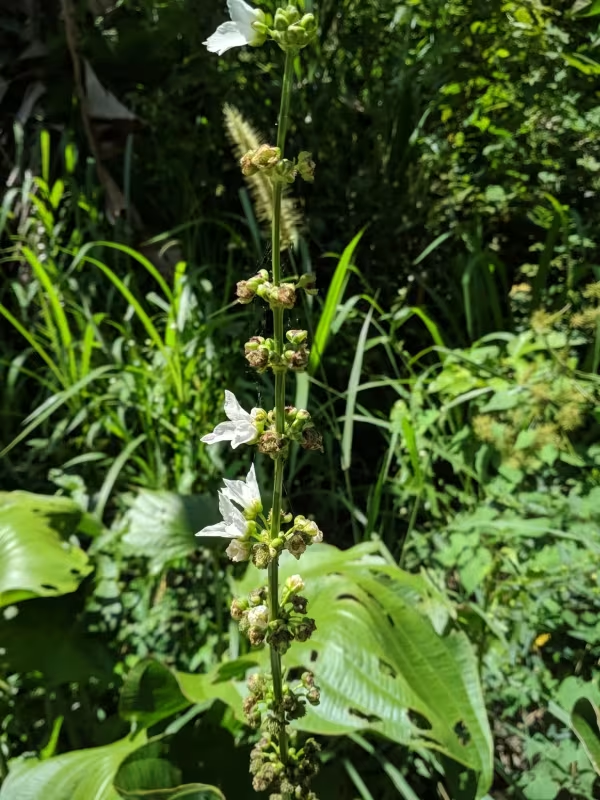
From a botanical perspective, the plant features a robust rhizome and a rosette of dense, heart-shaped or ovate leaves. These leaves can grow quite large, making the plant a prominent specimen in both underwater and terrestrial-aquatic environments. Its structural morphology is adapted to both submersed and emersed life.
To ensure healthy development, the plant requires specific environmental parameters. It thrives in high humidity and warm conditions, ideally between 22 and 28 degrees Celsius. When grown in a paludarium, it is essential to ensure that the air humidity remains high to prevent the leaf tips from drying out.
The soil requirements for Echinodorus palifolius include a nutrient-rich, slightly acidic substrate. A mix of clay-based soil and peat is highly recommended for container cultivation, as it provides both the necessary structural support for the thick root system and a steady supply of essential macronutrients.
The primary economic use of this culture is in the decorative horticulture and aquarium trade. It is widely prized by aquascapers and designers of botanical displays for its rapid growth in emersed conditions and its ability to act as a centerpiece in large tropical greenhouse setups or display tanks.
Main diseases and pests
The main threats to the plant include fungal pathogens and root rot, which are primarily caused by compacted substrate and poor drainage. Ensuring adequate aeration within the root zone is crucial for preventing the onset of anaerobic conditions that facilitate the growth of rot-inducing fungi.
Pests such as spider mites and aphids can become problematic if the plant is maintained in an emersed form or in a dry room environment. These pests colonize the leaf surfaces, drawing out sap and causing stunted growth or the appearance of necrotic spots on the foliage.
Algal blooms on the leaf surface can hinder photosynthesis, especially when the plant is submerged. Regular maintenance, including the removal of older leaves and adjustment of light intensity, is an effective strategy to keep the foliage clean and healthy throughout the growing season.
Nutrient deficiency, specifically a lack of iron or magnesium, often results in interveinal chlorosis, where leaves turn yellow while veins remain green. Implementing a balanced fertilization schedule is key to preventing these physiological stress responses and maintaining the plant's aesthetic value.
When introducing new stock, it is vital to perform a quarantine and cleaning process to avoid the introduction of nematodes or other soil-borne pathogens. Proactive management of the substrate environment remains the most effective defense against the most common diseases of this species.