
Echinodorus longiscapus
Echinodorus longiscapus
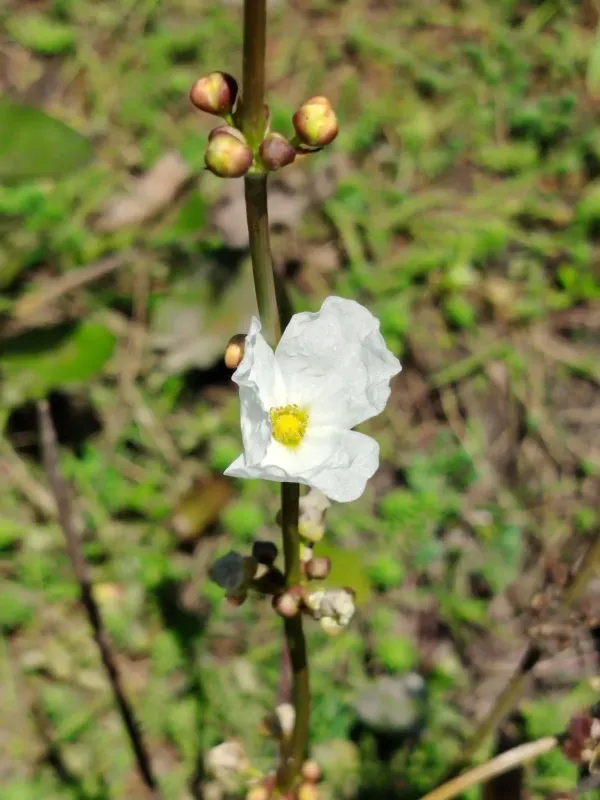
Description
Growing requirements
Echinodorus longiscapus belongs to the Alismataceae family. It is a robust aquatic plant originating from the tropical regions of South America, typically found in rivers, marshes, and seasonal wetlands.
The plant features a large rosette of leaves with long petioles. As its name implies, it develops long flower stalks that can bear inflorescences when cultivated in shallow water or emersed conditions.
Temperature requirements range between 22°C and 27°C for optimal metabolic activity. It performs best under medium to high light conditions, which help maintain the compact shape of the rosette and deep green coloration.
The soil substrate must be nutrient-dense, as this species relies heavily on root feeding. It is highly recommended to use clay-based substrates or include root tabs to supply essential minerals to the root zone.
Water parameters should be maintained within a neutral pH range (6.5–7.5). Regular water changes are beneficial for the plant, as it helps prevent the accumulation of toxins that might inhibit root development.
Main diseases and pests
Nutrient deficiencies, particularly iron chlorosis, are the most frequent problem. Signs include pale or yellowing leaves while the veins remain green, which should be corrected by targeted fertilization.
Algae competition is a significant threat; if the leaves become covered in hair or beard algae, photosynthesis is significantly reduced, potentially leading to the deterioration of the entire specimen.
Root rot is common if the substrate lacks oxygen or becomes too anaerobic. To prevent this, ensure that the substrate is not compacted and that it allows for adequate water circulation around the roots.
Snails may occasionally graze on young, tender leaves, leaving small holes. While rarely lethal, heavy infestations should be managed by limiting organic waste in the aquarium environment.
Sudden changes in water parameters or light intensity can lead to "melting," where the plant loses its older foliage. This is a stress response and requires stabilizing the environment to allow for recovery.