
Hybrid Echinodorus
Echinodorus hybrids
Description
Growing requirements
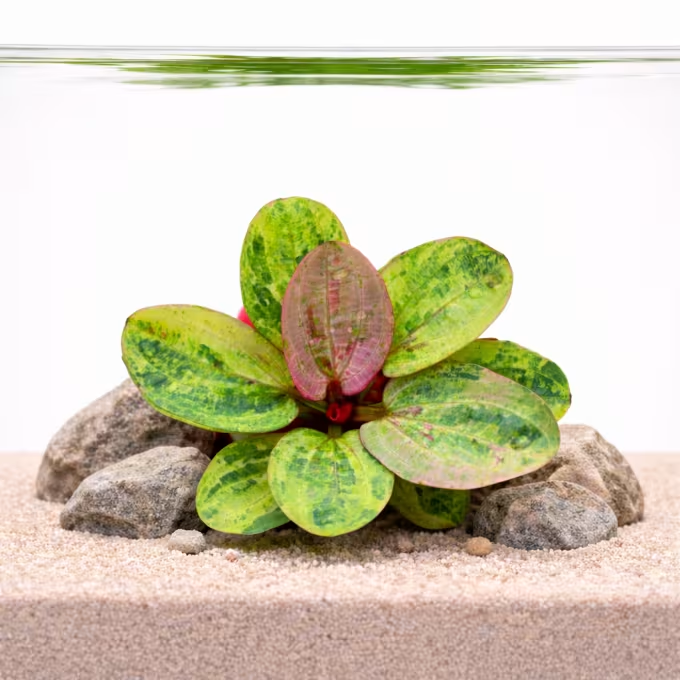
Hybrid Echinodorus are specialized cultivars within the Alismataceae family, developed through extensive selective breeding. These plants are prized for their varied leaf shapes and vibrant colors, originating from tropical South American genetic lines.
For successful cultivation, these plants require a nutrient-rich substrate containing root tabs or specialized aquatic fertilizers. Their root systems are robust and thrive when provided with sufficient micronutrients to support rapid leaf development.
Temperature requirements generally range between 22 and 28 degrees Celsius. Stability is paramount, as drastic fluctuations can cause leaves to shed or stunt the plant's overall growth potential.
Lighting should be bright and consistent, typically provided for 8 to 10 hours daily. High-quality LED aquarium lighting is essential for maintaining the deep red, bronze, or variegated patterns specific to hybrid varieties.
Water parameters should remain balanced with a pH level between 6.5 and 7.5. Maintaining a soft to medium water hardness is generally recommended to ensure the plant's cellular structure remains healthy and resilient.
Yield
In commercial aquarium plant propagation, yield is measured by the production of healthy daughter plantlets along the adventitious shoots that grow from the flower stalks.
The injection of CO2 into the aquatic system acts as a growth catalyst, significantly increasing both the size and the number of offspring produced by a single mother plant in a given timeframe.
Optimal crop density is achieved by managing the light spectrum precisely, which promotes denser foliage and prevents the plants from becoming leggy or overly stretched.
Harvesting techniques involve carefully separating the mature plantlets from the parent stalk once they have developed a sufficient root system, ensuring minimal shock to both plants.
Professional nurseries often utilize emersed growth methods in greenhouses to maximize yield, as plants grown above the water line often produce more offspring and exhibit stronger initial growth.
Main diseases and pests
Algae proliferation, such as green spot or thread algae, remains the primary threat to Echinodorus health. These organisms coat the leaves, preventing photosynthesis and potentially leading to tissue necrosis.
Certain invertebrate pests, including some species of aquatic snails, may consume the softer leaf tissues, which degrades the plant's aesthetic quality and reduces its market value.
Potassium deficiency is a common physiological disorder, manifesting as small pinholes in older leaves. This is usually corrected by adjusting the liquid fertilizer regimen in the aquarium water.
Poor water circulation can lead to the accumulation of waste products around the root zone, creating anaerobic pockets that increase the risk of crown rot and fungal infections.
Regular maintenance, such as leaf trimming and monitoring water chemistry, is essential to prevent the spread of pathogens and to maintain a healthy, vibrant display of foliage.