
Green-flowered hedgehog cactus
Echinocereus viridiflorus
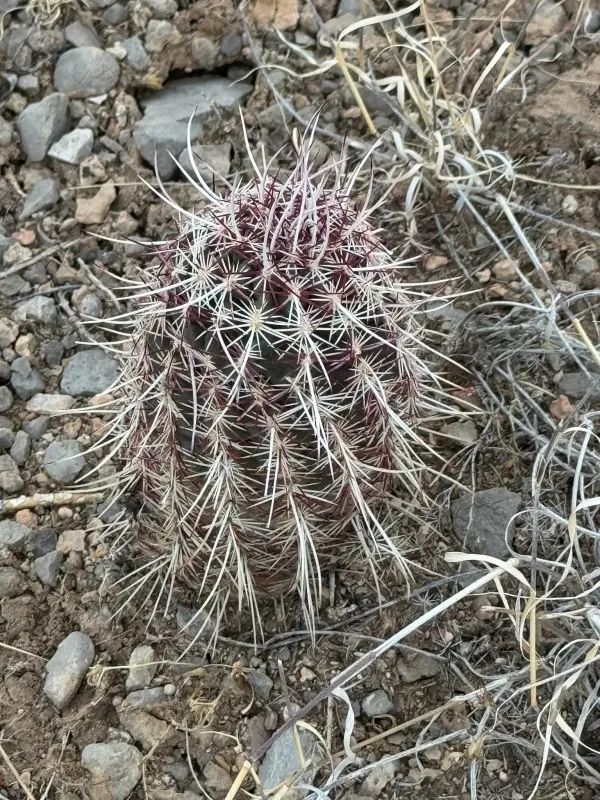
Description
Sowing dates
Sowing seeds of the green-flowered hedgehog cactus is best performed in the spring season when the daylight hours begin to increase significantly.
The seeds should be placed on a sterile, mineral-based substrate that provides excellent drainage and aeration for developing seedlings.
Keeping the sowing containers covered with glass or clear plastic ensures a high level of humidity necessary for successful germination.
Maintain consistent temperatures between 20 and 25 degrees Celsius to encourage the seeds to sprout effectively within two to three weeks.
Gradual acclimatization of the seedlings to lower humidity levels is crucial once they start to form their characteristic spines.
Growing requirements
Echinocereus viridiflorus is a member of the Cactaceae family, native to the rugged terrains of the United States and Northern Mexico.
The plant thrives in rocky, nutrient-poor soil compositions, which mimic its natural mountain habitat and prevent issues with root rot.
High levels of solar radiation are required for this cactus, making full sun exposure necessary for maintaining a compact and healthy growth habit.
Watering should be strictly regulated, allowing the growing medium to dry out completely between irrigation sessions throughout the growing season.
A mandatory dormant period during the winter months, characterized by cool temperatures and complete dryness, is essential for promoting flowering.
Main diseases and pests
Root and stem rot caused by overwatering or poorly aerated soil is the most frequent cause of plant loss in cultivated collections.
Spider mites are common pests that target this species, particularly during hot and dry spells, causing unsightly scarring on the skin.
Mealybugs can often colonize the areoles, requiring manual removal or the application of appropriate systemic insecticides to eliminate the infestation.
Prevention relies on maintaining strict hygiene in the growing area and ensuring adequate ventilation to discourage fungal growth.
Regular inspection of the plant base and root zone allows for the early detection of stress factors before they lead to permanent damage.