
Echinocereus berlandieri
Echinocereus berlandieri
Description
Growing requirements
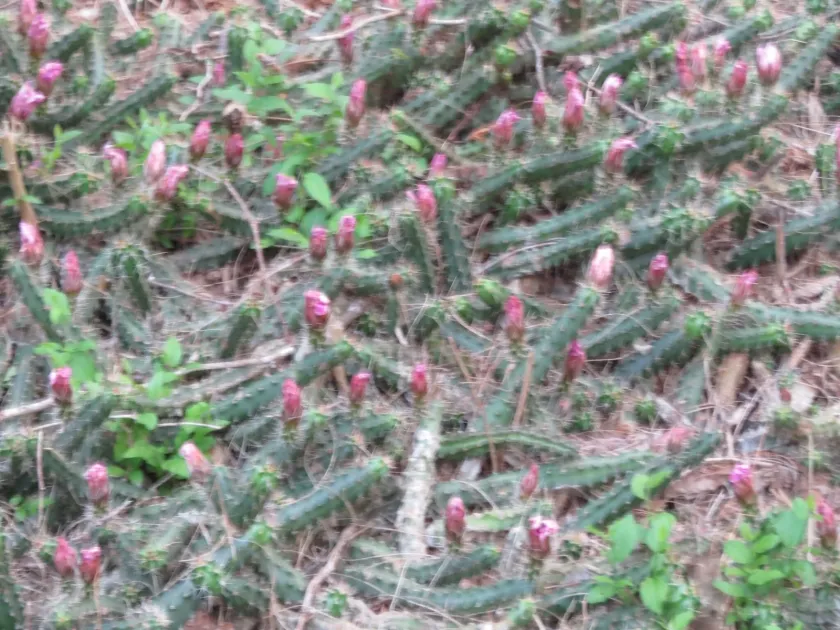
Echinocereus berlandieri is a small, clumping cactus species belonging to the Cactaceae family. It is native to the dry landscapes of southern Texas and northern Mexico. The plant is characterized by its slender, trailing stems that can reach significant lengths, often forming dense mats in its natural habitat.
The cultural requirements for this species focus on high light exposure. To maintain its natural growth form, it needs full sun throughout the growing season. In indoor environments, this means placing the plant in the sunniest possible location or utilizing supplemental grow lights to prevent etiolation.
Soil composition is critical for the survival of Echinocereus berlandieri. It requires a highly porous, gritty substrate that ensures rapid drainage. A mix comprising coarse sand, pumice, and a small amount of organic potting soil provides the necessary aeration for the root system to breathe and prevents compaction.
Irrigation practices must be precise. During the warm months, water should be applied only when the substrate has dried out completely. Overwatering is the most common cause of failure. Conversely, winter care requires a dormant state, where the plant should be kept almost completely dry in a cool environment.
Propagation is generally successful through stem cuttings or seeds. Cuttings should be allowed to callous for several days in a shaded, dry area before being placed in a sterile rooting medium. This method allows the grower to expand their collection while ensuring the genetic characteristics of the parent plant are maintained.
Main diseases and pests
The primary threats to Echinocereus berlandieri are fungal infections originating from poor drainage or excessive humidity. Rot, characterized by soft, discolored, or mushy tissue at the base, can quickly spread through the stem, often leaving little chance for recovery once it is well-established.
Pest infestations, particularly mealybugs, are frequent in indoor environments with stagnant air. These pests cluster in the depressions between the ribs and areolae of the cactus. Monitoring for white, cottony masses is essential, followed by immediate treatment with systemic insecticides or diluted isopropyl alcohol.