
Claret Cup Cactus
Echinocereus coccineus
Description
Growing requirements
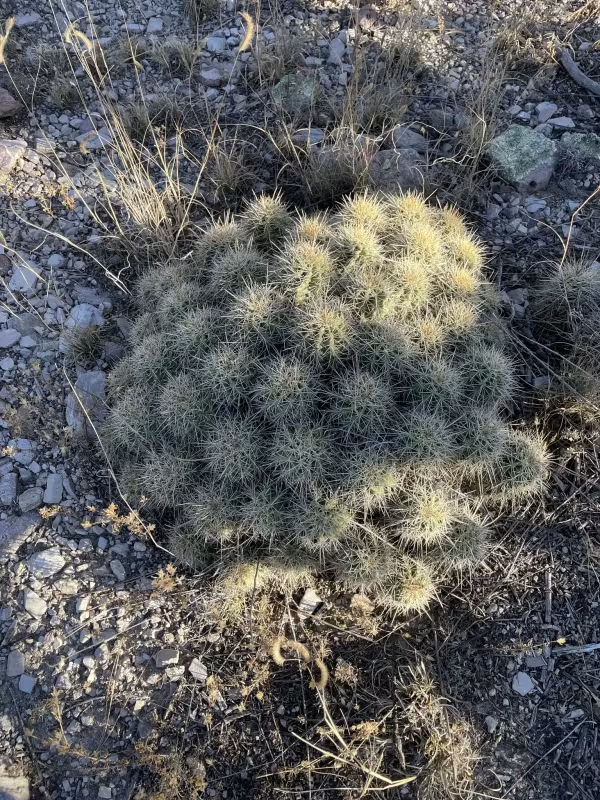
The Claret Cup cactus (Echinocereus coccineus) is a perennial succulent belonging to the Cactaceae family. It is characterized by its clumping habit, forming dense mounds of cylindrical stems that can consist of dozens or even hundreds of individual heads.
Native to the southwestern United States and northern Mexico, this species thrives in arid, rocky environments. Its range extends into high-altitude areas, which contributes to its remarkable cold tolerance compared to many other cactus species.
Cultivation requires a highly porous, mineral-rich soil mix that mimics its natural habitat. Proper drainage is the most critical factor, as the roots are highly susceptible to rot if they remain in saturated soil for extended periods.
This species requires intense sunlight to maintain its structural integrity and color. In low-light conditions, the stems tend to etiolate, becoming weak and pale, which significantly reduces the plant's natural resistance to pests and diseases.
A strict seasonal regime is essential for long-term health. During the winter dormancy period, temperatures should remain cool, and irrigation must be significantly reduced to mimic the natural dry season and prepare the plant for spring flowering.
Main diseases and pests
Root rot, primarily caused by excessive moisture and poor air circulation, remains the most prevalent threat to the Claret Cup cactus. Once the root system is compromised, the infection often spreads rapidly to the base of the stems, leading to decay.
Mealybugs are common pests that tend to cluster in the crevices between ribs and near the areoles. Because they are often protected by spines, manual removal or targeted application of systemic pesticides is usually required to manage infestations effectively.
Spider mites can also become problematic during periods of extreme heat and low humidity. These pests feed on the succulent tissue, leaving behind discolored patches and weakening the overall vigor of the plant structure.
Physiological damage can occur due to improper watering during the growing season. Splashing water on the stems in direct sunlight can cause localized burning, while uneven hydration might result in stem cracking or unnatural growth patterns.
Regular maintenance, including removing debris from between the stems and checking for early signs of distress, is vital. Keeping the plants in well-ventilated areas will discourage the development of most fungal and insect-related problems.