
Echinocereus acifer
Echinocereus acifer
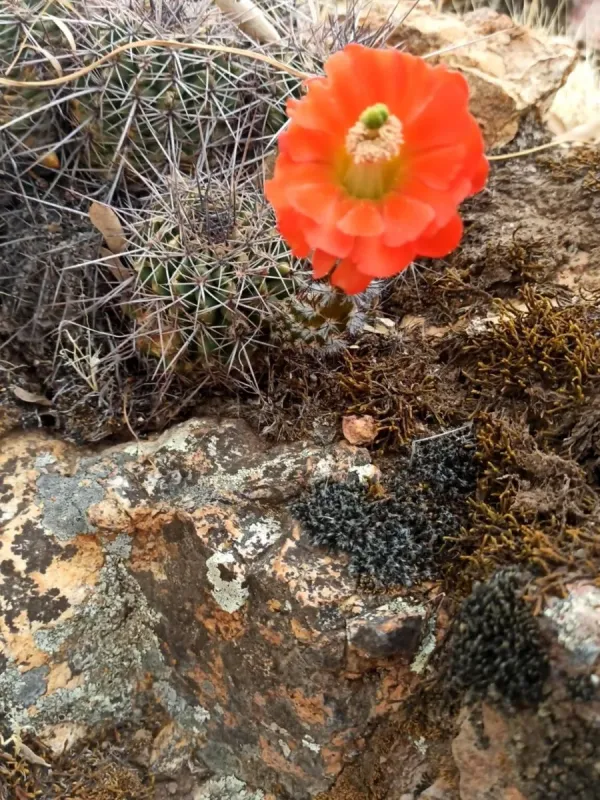
Description
Growing requirements
Echinocereus acifer is a perennial succulent belonging to the Cactaceae family. This species originates from the high-altitude, arid regions of Mexico, where it has evolved to thrive in harsh, dry climates with significant daily temperature fluctuations.
The botanical structure of the plant features cylindrical stems that often form dense clusters over time. It is heavily armored with sharp spines, which provide essential protection against herbivores in its native desert habitat.
Successful cultivation requires a substrate with excellent drainage properties. A coarse, mineral-based soil mix is ideal to prevent water retention, which is the most critical factor in avoiding root rot in these types of cacti.
Light requirements are high, as this plant is heliophilic. It needs full sun exposure to maintain its compact form and to produce healthy, vibrant blooms. Lack of adequate light will lead to etiolation, significantly weakening the plant's structural integrity.
During the growing season, watering should be thorough but infrequent, allowing the substrate to dry out completely between sessions. In winter, the plant enters a dormancy phase, requiring cool, dry conditions to encourage flowering in the following season.
Main diseases and pests
Fungal infections are the primary threat to the health of Echinocereus acifer. These diseases are almost exclusively triggered by improper irrigation practices, specifically by keeping the root zone consistently moist.
Pest pressures are typically caused by mealybugs and spider mites. Mealybugs tend to congregate in the protected areas between the ribs and spines, making them difficult to detect without careful inspection of the plant's anatomy.
Management of these pests involves the use of systemic insecticides or manual removal with alcohol-soaked cotton swabs for minor infestations. Maintaining low humidity and good ventilation is a natural deterrent for these pests.
To prevent disease transmission, always use sterile potting medium when repotting or propagating the plant. Avoid scarring the cactus body, as any physical wound serves as an entry point for opportunistic pathogens that can destroy the plant tissue.
Water quality is another important factor in maintaining plant health. Avoiding high-alkaline water is recommended, as mineral deposits can accumulate on the surface of the cactus, eventually causing discoloration and physiological stress to the plant.