
Echinocereus cinerascens
Echinocereus cinerascens
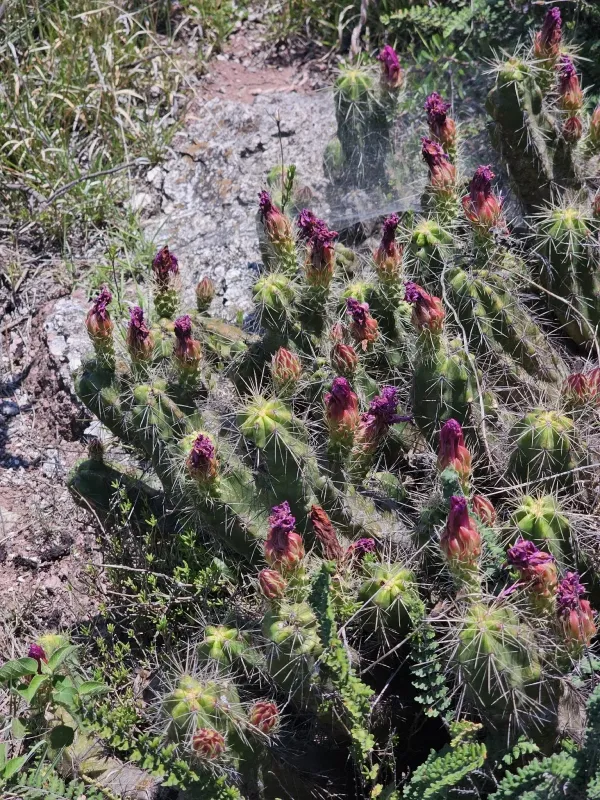
Description
Growing requirements
Echinocereus cinerascens is a clumping cactus species belonging to the Cactaceae family. It is native to the central regions of Mexico, where it thrives in rocky, calcareous soils under intense sunlight.
Botanically, it is characterized by its distinct, grey-green, branching stems that grow in clusters. Each stem typically possesses several ribs and is covered in radial and central spines that protect the plant in its harsh desert environment.
The agricultural requirements for this species are strict regarding drainage. A porous, mineral-based soil mix is essential to prevent root rot, which is the most frequent cause of mortality in greenhouse and home cultivation.
Temperature and light are the primary drivers of growth. The species requires full sun exposure to maintain its structural integrity and color. During the winter months, a period of cold dormancy (around 5–10°C) is required to trigger the blooming cycle the following spring.
Its primary use is in ornamental horticulture. Echinocereus cinerascens is highly sought after by collectors for its stunning, large, often vibrant pink or purple flowers that contrast beautifully with its rugged, spiny stems.
Main diseases and pests
Fungal pathogens are the most significant threat to this species. Overwatering or poor ventilation leads to stem and root decay, often showing up as soft, discolored patches on the base of the plant.
Pest pressure from mealybugs and spider mites is common. Mealybugs often hide in the crevices between the ribs, making them difficult to detect until the infestation is significant.
Treatment involves the use of systemic insecticides, but care must be taken to ensure the product is safe for cacti. Physical removal of pests with a soft brush and isopropyl alcohol is also an effective method for minor infestations.
Preventative care is highly effective; maintaining a clean growing area and ensuring proper airflow reduces the likelihood of both fungal and insect outbreaks significantly.
Proper sanitation of tools and pots when potting up or dividing clumps is a fundamental agricultural practice to prevent the cross-contamination of viral or fungal agents between different plant specimens.