
Echinocereus dasyacanthus
Echinocereus dasyacanthus
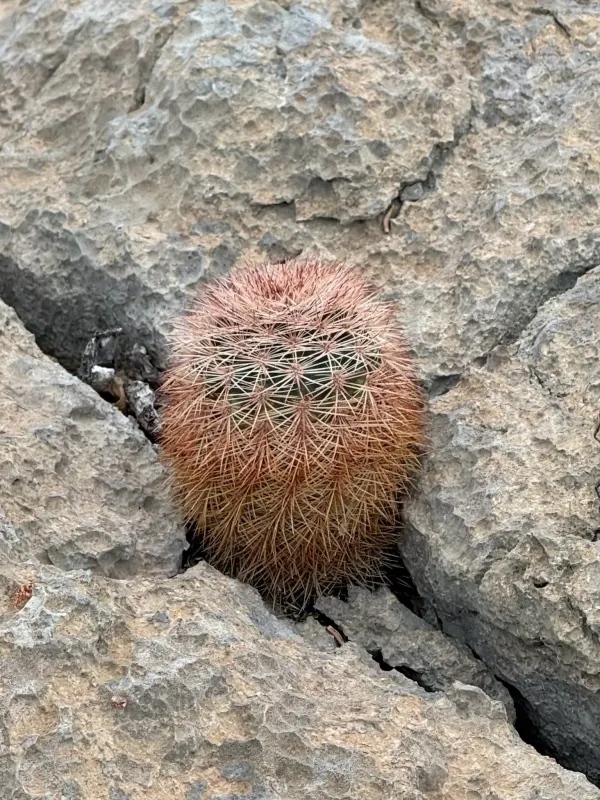
Description
Growing requirements
Echinocereus dasyacanthus belongs to the Cactaceae family and is recognized for its cylindrical, often clustering stems covered in dense, colorful spines. Native to the Chihuahuan Desert, it is commonly found in Texas and Northern Mexico.
This species thrives in well-drained, limestone-based soils which mimic its native habitat. It requires full sun exposure throughout the growing season to maintain its structural integrity and encourage the development of its signature vibrant blooms.
Watering practices must be disciplined; the substrate should dry out completely between waterings. In the winter months, the plant enters a dormant phase where moisture should be withheld almost entirely to prevent physiological disorders.
The plant demonstrates significant cold hardiness compared to other succulent species but must be kept dry during frost events. Providing good air circulation is essential to prevent heat stress during peak summer temperatures.
Cultivation in containers requires a specialized mineral-rich cactus mix. Incorporating pumice or perlite into the substrate ensures the root system does not suffer from hypoxia or water stagnation.
Main diseases and pests
The most common disease affecting this species is root rot, typically caused by overwatering during cold spells or poor drainage. Infected plants often show soft, discolored stem bases that require immediate removal.
Pests such as mealybugs can hide deep between the spines, making them difficult to detect. Regular inspection and the use of targeted systemic insecticides are necessary to maintain plant health.
Spider mites are prevalent in environments with low humidity and high temperatures. These pests can rapidly damage the plant's surface, leading to scarring that reduces the commercial value of the specimen.
Fungal pathogens may invade through wounds caused by improper handling or physical damage. Always use sterile equipment when repotting or propagating to minimize the risk of infection.
Environmental management involves keeping the surrounding area free of weeds and debris, which can harbor pests and create localized high-humidity zones that promote fungal development.