
Echinocereus viereckii
Echinocereus viereckii
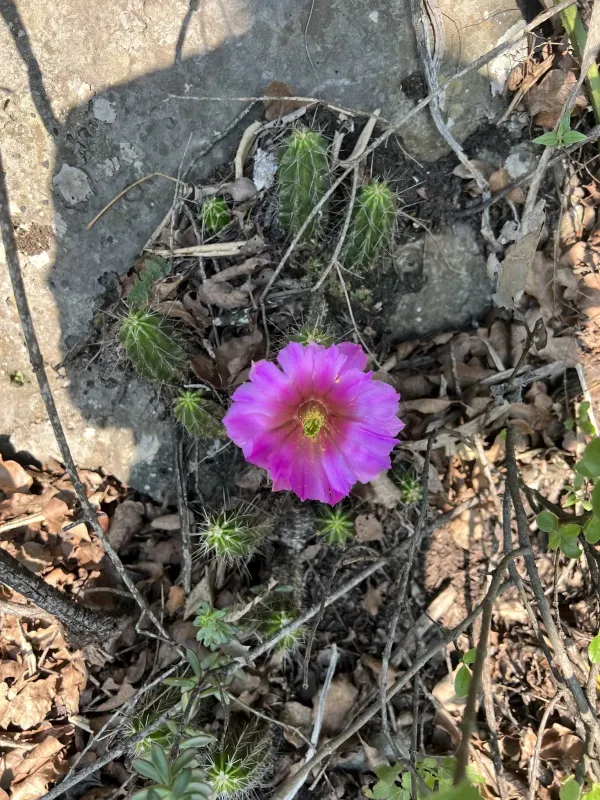
Description
Growing requirements
Echinocereus viereckii belongs to the Cactaceae family. This perennial succulent plant is native to the arid mountainous regions of Mexico, specifically within the states of Nuevo Leon and Tamaulipas, where it thrives in rocky, well-drained terrain.
The plant features clustering, cylindrical stems that can grow up to 15-20 cm in length. Each stem is characterized by distinct ribs adorned with small, tightly pressed spines, which give the cactus a compact and neat appearance while protecting the epidermis from sun exposure.
Proper cultivation requires intense, direct sunlight. In indoor environments, placing the plant on a south-facing window is essential to maintain its original growth form, as inadequate lighting will inevitably lead to etiolation and a loss of aesthetic value.
The potting medium must be highly porous and mineral-based. A recommended mix consists of coarse sand, gravel, pumice, and a small amount of sandy loam. Proper drainage is crucial, as the roots are highly sensitive to standing water and organic decay.
Temperature management is vital for growth. The plant prefers high temperatures during the growing season and a strict cooling period during the winter (around 5-10°C). This winter rest, coupled with a complete lack of watering, is necessary to induce flowering.
Main diseases and pests
The most significant threat to Echinocereus viereckii is root rot, caused by excessive soil moisture or poor aeration. When water remains in the substrate for too long, especially in cool conditions, the root system begins to decay rapidly, threatening the entire plant.
Mealybugs are common pests that hide between the ribs and in the areoles. These insects feed on plant sap and can severely weaken the cactus. Regular inspection and the use of systemic insecticides are necessary to manage an infestation effectively.
Spider mites can become a problem in environments with low humidity. They damage the skin of the cactus, leaving behind unsightly discolored spots. Maintaining proper airflow and occasionally misting the surrounding air can help prevent these pests from settling.
Root mealybugs reside within the soil and are often difficult to detect until the plant stops growing. If an infestation is suspected, the plant should be removed from its pot, the roots washed, treated with a suitable pesticide, and repotted in fresh, sterile soil.
Scale insects are also known to infest this species, attaching themselves to the stems under hard, waxy shells. Removal requires manual cleaning with a brush dipped in alcohol or the application of specialized systemic insecticides to penetrate the pest's protective layer.