
Echinocereus triglochidiatus
Echinocereus triglochidiatus
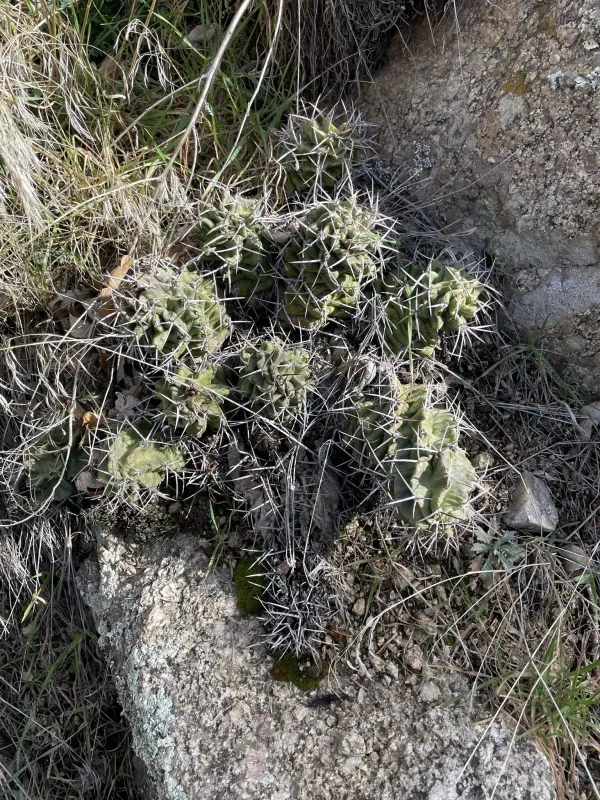
Description
Sowing dates
Sowing Echinocereus triglochidiatus is best performed in the spring, which aligns with the plant's natural growth cycle as day lengths increase. March and April provide the optimal balance of light and temperature for seed germination.
Use a sterile, well-draining substrate consisting mainly of pumice or sharp sand. Seeds should be sown on the surface and pressed down gently, without being buried deep, to allow for sufficient aeration during the critical germination phase.
Maintain temperatures between 20°C and 25°C. A consistent moisture level is required in the beginning, usually achieved by covering the sowing tray with transparent film to ensure high humidity levels around the seeds.
Once seedlings begin to emerge, usually after a few weeks, the cover should be removed gradually to acclimate the young plants to the ambient room humidity and prevent fungal growth on the surface of the substrate.
Transplanting (pricking out) should be avoided until the seedlings have reached a sufficient size and have developed a strong enough root system. This usually happens in the second year of growth, ensuring higher survival rates for the young cacti.
Growing requirements
Echinocereus triglochidiatus, also known as the claret cup cactus, is a member of the Cactaceae family native to the arid regions of the southwestern United States and northern Mexico. It is highly valued for its cold hardiness and vibrant floral displays.
The substrate must be extremely porous to ensure that water never remains in contact with the root system for extended periods. A mixture of 50% coarse mineral components (like gravel or perlite) and 50% organic matter is standard for healthy growth.
This species requires high levels of light throughout the year to maintain its compact growth habit and natural appearance. Without enough sun, the stems will etiolate, becoming elongated, pale, and structurally weak.
Watering should be strictly regulated during the growing season. Allow the soil to dry out completely between waterings, and keep the plant bone dry during the dormant winter period, which is essential to trigger spring blooms.
Temperature control is a key aspect of its cultivation. While it thrives in hot, sunny conditions, it also requires a period of cool, dry rest during winter, with temperatures often dropping to near freezing to mimic its natural environment.
Main diseases and pests
Fungal rots, particularly caused by overwatering, represent the primary threat to the health of these cacti. Once the roots are affected by decay, it is often difficult to save the plant, making preventative measures the best approach.
Mealybugs are common pests that hide between the spines or at the base of the stems. Their presence is marked by a cottony, white substance, and they can cause significant stress by feeding on the plant's sap.
Spider mites are another frequent problem, especially when the cactus is kept in hot, poorly ventilated conditions. These tiny pests weave fine webs and create yellowish, scarred patches on the epidermis of the plant.
Effective pest management involves regular inspections and the use of insecticidal soap or specialized systemic pesticides. Maintaining good airflow around the plants significantly reduces the risk of both pest infestations and fungal infections.
- Root rot
- Mealybugs
- Spider mites
- Fungal stem infections
- Soft rot