
Echinocereus subinermis
Echinocereus subinermis
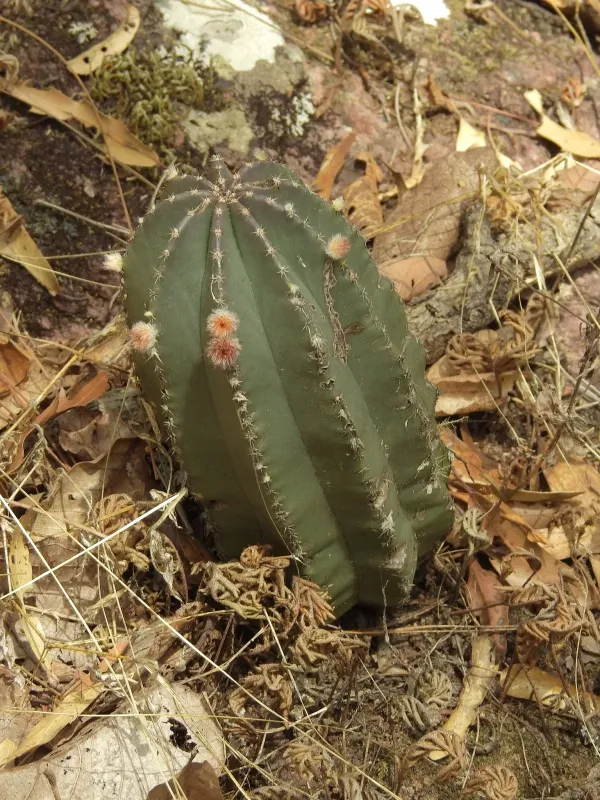
Description
Sowing dates
Sowing seeds of Echinocereus subinermis is best performed in early spring to take advantage of natural light cycles. Optimal germination temperatures fluctuate between 20°C and 25°C.
Use a well-draining, mineral-based substrate for sowing, ensuring excellent porosity. A mix of sand, pumice, and a small amount of fine loam is usually sufficient for seedling establishment.
Seeds should be surface-sown and covered with a very thin layer of grit to anchor them. Maintaining consistent soil moisture during the first few weeks is essential for uniform germination.
Seedling trays should be kept in a bright, warm location but shielded from direct, scorching sun rays. Controlled misting helps maintain the necessary microclimate within the tray.
Once seedlings develop their first spines, the frequency of watering should be reduced to prevent damping-off diseases. Gradual acclimatization to drier air is necessary before final transplanting.
Growing requirements
Echinocereus subinermis is a member of the Cactaceae family, native to the arid landscapes of Northern Mexico. It is prized by collectors for its almost spineless, bright green stems.
This species demands high levels of light throughout the year to maintain its compact growth form. Inadequate light results in etiolated, weak stems that are prone to structural failure.
The potting medium must be inorganic and porous, effectively mimicking the rocky substrates of its natural habitat. Avoid using rich, nutrient-dense composts which encourage overly succulent and weak tissue.
The watering regime should strictly follow the cycle of growth and dormancy. During the growing season, soak the soil thoroughly and allow it to dry completely before the next watering.
A cool, dry winter period is vital for triggering flower development in the spring. During this time, temperatures should remain low, ideally around 10°C, and water should be withheld entirely.
Main diseases and pests
Root rot, caused by waterlogged soil and poor drainage, is the primary threat to the health of Echinocereus subinermis. Once the roots are compromised, recovery is difficult and often impossible.
Mealybugs are common pests that hide in the crevices between the ribs of the cactus. Their presence is indicated by a white, cottony substance that requires immediate treatment with systemic insecticides.
Spider mites can be problematic in hot, dry environments with poor air circulation. These pests leave discolored patches on the skin, which can permanently mar the appearance of the plant.
Botrytis and other fungal pathogens may affect the skin if there is insufficient air movement. Adequate ventilation is a key preventative measure for all greenhouse-grown succulents.
Regular monitoring of the stem base is essential for early detection of potential rot or infestation. Keeping the surface of the soil covered with a layer of gravel can help keep the neck of the plant dry.